Humidifiers Staff

Humidifiers Staff

Is Sleeping With a Humidifier Safe?

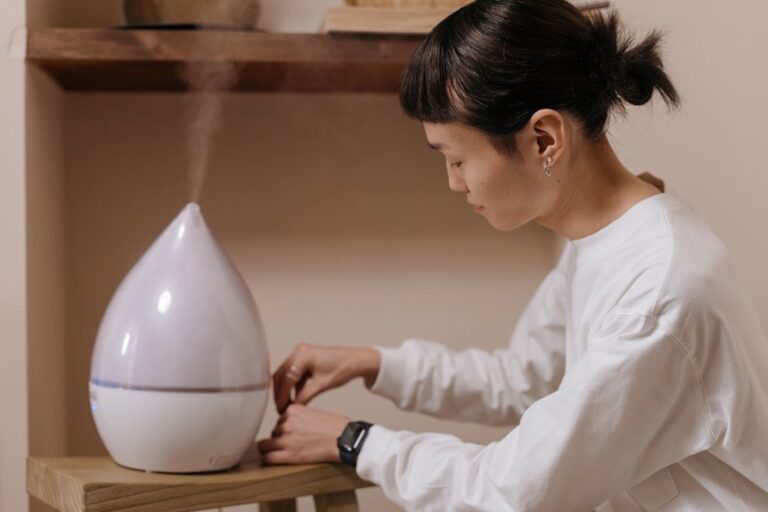
Sleeping with a humidifier can be safe, and it might even help you breathe easier, sleep more comfortably, and wake up with less dryness in your throat or nose. But safety depends on how you use it, because too much moisture can create problems fast. If you keep the room’s humidity in the right range, clean the unit often, and place it well away from your bed, you’re already ahead. The tricky part is understanding at what point helpful mist turns into a concealed hassle.
Can a Humidifier Cause Mold?

humidifier increasing indoor mold

Yes, a humidifier can cause mold if it adds too much moisture or leaves damp mist on walls, windows, or fabrics. That extra water can feed mold before you notice a musty smell. Even a clean-looking unit can create trouble if its tank stays wet or its filter gets grimy. Fortunately, you can avoid that mess with a few simple checks, and the signs are easier to spot than you might think.

Humidifier Maintenance Tips for Better Performance

clean humidifier filters regularly

Keeping your humidifier in good shape doesn’t have to feel like a chore, and a few steady habits can make a real difference in how well it works. You’ll need a soft brush, white vinegar, clean cloths, and, if your model requires them, fresh filters or pads. Start with regular cleaning, then pay close attention to water choice and mineral buildup because those small details often decide whether your unit stays fresh or becomes troublesome fast.

How to Remove Mold From a Humidifier

clean humidifier mold growth

Can a humidifier really turn moldy that fast? Yes, it can, and the concealed buildup often starts in places you do not check. If you have noticed a musty smell, cloudy water, or dark spots, you are not alone. The good news is you can clean it well with a few careful steps, and the tricky part is knowing what to use, what to avoid, and when a part is beyond saving.

How to Get Rid of White Dust From a Humidifier

remove humidifier white dust

White dust from a humidifier can settle on your furniture, floor, and even your patience, but you can stop it with a few smart changes. You’ll see why it happens, which water works best, and how cleaning, filters, and humidity levels all play a part. Should you’ve been wiping the same surfaces over and over, the fix might be simpler than you suppose, and it starts with what is inside your tank.

Can You Use Tap Water in a Humidifier?

avoid tap water use distilled

You can use tap water in some humidifiers, but the right choice depends on your model and your water. If you use the wrong kind you might see white dust, faster buildup, or weaker mist. That can feel annoying, especially when you just want cleaner air. Evaporative and steam units usually handle tap water better, while ultrasonic models tend to show problems sooner. Fortunately a few simple habits can make a big difference, and what matters most could surprise you.

Why Does My Humidifier Smell Bad?

Nearly 80% of households use some type of humidifier, yet many owners still notice a weird smell after a few days. If yours has gone from helpful to funky, the cause is usually sitting right in the tank, the filter, or the water you use. A stale odor can point to concealed buildup and the fix is often simpler than you suppose, but one detail is easy to miss.

Humidifier Safety Tips Every Homeowner Should Know

Whenever your home’s air feels like a soft blanket, a humidifier can help, but only if you use it wisely. Keep humidity between 30% and 50%, place the unit safely, and clean it often so it does not become a hidden troublemaker. There is more to it than filling a tank and switching it on, especially if kids, pets, or mold worries are part of your day.

How to Store a Humidifier Between Seasons

clean dry disassemble store

Before you stash your humidifier away, give it a careful reset so it’s ready once dry air returns. Unplug it, empty every drop, and clean the tank, base, and concealed seams with vinegar water or the cleaner your manual allows. Then dry each part fully, separate small pieces, and store them in a cool, dry spot. A few smart steps now can save you from moldy surprises afterward.

What Is the Ideal Humidity for Sleeping?

comfortable 40 60 bedroom humidity

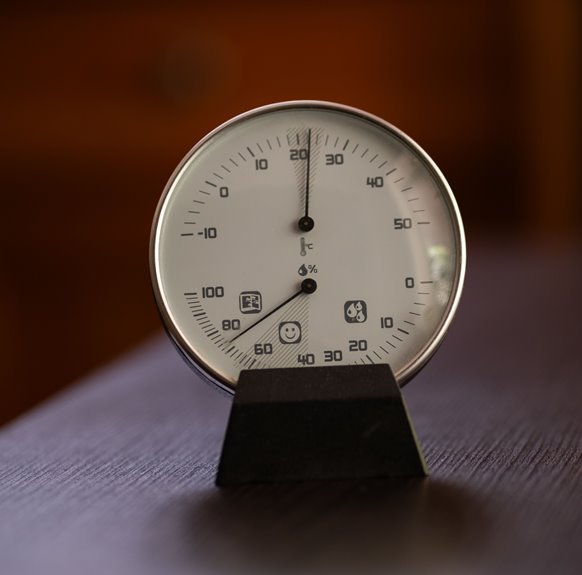
The ideal humidity for sleeping is usually between 40% and 60%, with 45% to 55% often feeling best. When your room stays in that range, your nose, throat, and skin remain comfortable, and your sheets will not feel sticky or dry. Because humidity changes with the seasons, you may need to adjust it with a humidifier or dehumidifier. If your sleep feels off, the air in your room could be the quiet reason.