Book Appointment Now

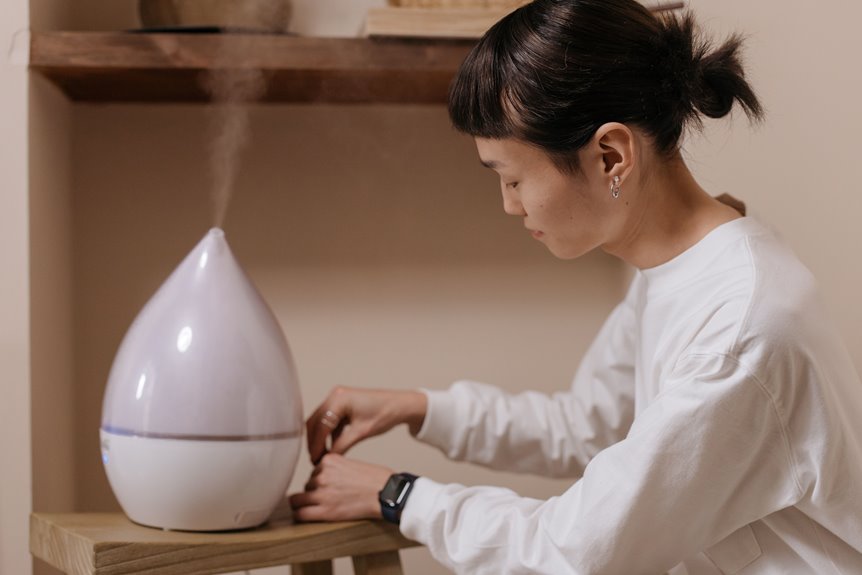
Can a Humidifier Cause Mold?
Yes — a humidifier can cause mold if it adds excess moisture or leaves damp residue on surfaces. Mold grows on wet walls, windows, fabrics, and inside a persistently damp tank or a dirty filter. Even units that look clean can harbor mold spores in standing water or on grimy components. Regular cleaning, proper humidity settings, and good air circulation prevent most problems. Watch for visible damp spots and musty odors to catch issues early.
Can a Humidifier Cause Mold?
Yes, a humidifier can cause mold, but usually only whenever the moisture it adds gets out of hand or the unit isn’t cleaned well.
You can keep your space safer by watching humidity and not letting damp air linger.
Whenever you run a humidifier too long, you might raise energy consumption too, so balance comfort with control.
Clean the tank often, use fresh water, and follow the manual so residue doesn’t build up.
Should you want extra peace of mind, check warranty tips before you buy, since some plans cover maintenance issues better than others.
A simple hygrometer helps you stay near healthy levels, and that can make your room feel comfortable without inviting mold.
You belong in a home that feels fresh, not fussy.
How Humidifiers Cause Mold Growth
Moisture is the main way a humidifier can set mold up to grow. Whenever you leave water sitting in the tank, you invite tank ecology to shift toward germs and spores. That damp space can also support biofilm formation, which helps mold cling and spread. In case mist lands on walls, windows, or fabric, those wet spots can become a home base for growth.
| Cause | What You See | Why It Matters |
|---|---|---|
| Standing water | Cloudy tank | Microbes multiply |
| Dirty parts | Slimy film | Mold gets a grip |
| Excess mist | Damp surfaces | Growth spreads |
Safe Humidity Levels for Your Home
You want your home’s humidity to stay in the safe range of 30% to 50%, because that helps you feel comfortable and keeps mold from getting a foothold.
Should you notice condensation on windows, damp corners, or a musty smell, your air might already be too moist.
Fortunately, you can control it with a hygrometer, steady humidifier use, and quick cleanup whenever surfaces start to feel wet.
Ideal Indoor Humidity
The safest indoor humidity level for most homes sits between 30% and 50%, and that range does more than keep the air comfortable. It helps you protect your space, especially during seasonal fluctuations, whenever dry heat or sticky weather can push levels off track. You can consider this range as a friendly balance for your building envelope, since walls, windows, and corners stay drier. | Level | What you feel | What it helps |
| — | — | — |
|---|---|---|
| 30% | Crisp air | Less dryness |
| 40% | Comfortable | Better balance |
| 50% | Stable | Lower moisture risk |
| 55% | Heavy | Watch closely |
| 60%+ | Damp | Adjust fast |
Whenever you check a hygrometer, you stay in control and keep your home feeling welcoming, calm, and safe.
Signs of Excess Moisture
Now that you know the safest humidity range, it helps to spot the warning signs before damp air turns into a bigger problem.
You could notice window condensation in the morning, especially whenever the glass stays foggy after the room warms up. You can also feel fabric dampness on curtains, bedding, or couch cushions whenever the air holds too much water.
Then, check corners, closets, and behind furniture for dark spots or a musty smell.
Should your home feel sticky and your skin doesn’t dry fast, moisture could be building up.
These clues matter because you belong in a space that feels fresh, not heavy. Whenever you catch them promptly, you protect comfort and reduce the chance that concealed dampness gets comfortable too.
Controlling Humidity Safely
Keeping your home in the safe range usually starts with a simple target, and that target is 30% to 50% indoor humidity. You can check it with a hygrometer, then adjust your humidifier before the air turns damp.
During seasonal variations, you might need less mist in winter and more attention in summer. Pay close attention to appliance placement, too, because walls, windows, and tight corners trap moisture fast.
Try this shared routine:
- Read the room level each day.
- Lower output when windows fog.
- Move the unit away from curtains.
- Stop should you smell mustiness.
When you stay within range, you help protect everyone at home from mold stress. That steady care feels good, and you’re not handling it alone.
Signs Your Humidifier Has Mold
Provided your humidifier has mold, you’ll often notice it before you ever see it. You could catch a musty smell, see tank discoloration, or notice filter degradation that looks slimy or dark. Then your room might feel damp, and you may wake up stuffier than usual.
| Sign | What You Notice | Why It Matters |
|---|---|---|
| Odor | Musty air | Mold could be growing inside |
| Water | Cloudy residue | Contamination can build up |
| Tank | Discoloration or film | Dampness is lingering |
| Filter | Degradation or spots | The unit could spread spores |
If you spot these signs, you’re not alone. Many people miss them at initially, because they hide in plain sight. Still, your humidifier should feel fresh, not fuzzy. Whenever you trust your senses, you can protect your space and breathe easier.
How to Clean a Humidifier the Right Way
Start via unplugging your humidifier and taking it apart, because a careful clean works much better than a quick rinse. You’re not just washing parts; you’re protecting the air your home shares.
- Empty the tank and scrub it with warm water and mild soap.
- Rinse every surface until no slip is left.
- Wipe the base, then let it air-dry fully.
- Check the filter and plan filter replacement in case it looks worn.
For daily maintenance, drain leftover water each day and give the tank a fast wipe. Should your model allow it, use the maker’s cleaning steps so you stay with the crowd that keeps things fresh.
As you clean this way, you help stop grime from turning into a problem.
How to Prevent Mold From a Humidifier
To prevent mold from a humidifier, you need to control both the moisture in the room and the water inside the unit, because mold loves a damp space almost as much as it loves a forgotten tank. Keep indoor humidity near 30% to 50%, and use a hygrometer so you can spot trouble promptly. Practice regular maintenance by emptying, drying, and cleaning the tank on schedule. Distilled water helps limit residue. Also, pay attention to room placement, since a unit pushed near walls or curtains can leave wet spots behind.
| Step | What You Do | Why It Helps |
|---|---|---|
| Check humidity | Monitor daily | Stops excess moisture |
| Clean tank | Wash often | Limits growth |
| Move unit | Give space | Reduces damp areas |
If you stay consistent, you’ll protect your air and help your home feel safer and calmer.
When to Stop Using a Humidifier
In case your indoor humidity stays above 50%, it’s time to watch your humidifier more closely because that extra moisture can help mold grow.
You should also stop using it when you see condensation on windows, walls, or furniture, since that’s a clear sign the air is too damp.
And should you notice a musty odor or any visible mold, turn it off right away so you can protect your space and breathe easier.
Humidity Above Fifty Percent
Once your indoor humidity climbs above 50%, it’s a good time to pause and check the humidifier, because that extra moisture can quietly invite mold. You want your home to feel cozy, not heavy, and you’re not alone in watching that balance.
Seasonal variation can push levels up fast, and some building materials hold dampness longer than others, so your home could react sooner than you expect. Use a hygrometer, then act quickly:
- Turn the unit down.
- Stop it for a while.
- Empty and dry the tank.
- Recheck after an hour.
If the reading stays high, give the room a break from added moisture. That small step helps you protect your space, your comfort, and the people who share it.
Visible Condensation Indoors
Noticing water on your windows, walls, or mirrors is a clear sign that your humidifier could be doing too much. Whenever you see window sweating, stop and check the room’s humidity right away. You want the air to feel comfortable, not clammy. Should surfaces stay damp after a few hours, your home is holding too much moisture.
That extra water can linger around corners, furniture, and curtains, where mold likes to settle. Even normal plant transpiration can add to the load, especially in a room with many plants. So, ease back on the setting or turn the unit off for now. Then open a window, run a fan, or use a hygrometer to bring levels back into the safe range.
Mold Odor Or Growth
A musty smell or visible growth near your humidifier is a clear sign to stop using it right away. That odor often means moisture is feeding mold, and you don’t want that in your shared space. Trust your musty sensing, because your nose often spots trouble initially.
- Turn it off and empty the tank.
- Check for slime, black dots, or cloudy water.
- Clean the unit, or skip it until microbial screening gives you answers.
- Watch for damp walls or windows nearby.
If the smell comes back after cleaning, the problem could be deeper than the tank. You deserve clean air that helps you feel at home, not uneasy. A healthy room should feel fresh, calm, and safe for everyone.
Frequently Asked Questions
Can a Humidifier Spread Mold Spores Through HVAC Vents?
Yes, it can, provided you’ve got contaminated mist and your HVAC transmission spreads it. Use ventilation mapping to trace airflow, keep humidity low, and clean the unit often, so you don’t feel alone with concealed spores.
Do Essential Oils in Humidifiers Affect Mold Growth?
Yes, they can. You may notice essential oil residue coating the tank, which can trap moisture and promote mold growth. Some essential oils have antimicrobial properties that might reduce microbes somewhat, but you still need to clean the humidifier regularly and keep indoor humidity under control.
Is Boiling Water Safer for Humidifier Use Than Distilled Water?
No. Distilled water is safer for your humidifier than boiled water because boiling does not remove minerals or tap contaminants. Using distilled water helps keep the tank cleaner, protects your indoor air, and supports a healthier home environment.
Can Humidifiers Worsen Allergies Even Without Visible Mold?
Yes, humidifiers can worsen your allergies even without visible mold. They increase indoor humidity and can spread airborne allergens, dust mites, and mineral particles. If you do not clean them well, you will likely feel worse.
Are Some Room Sizes More Prone to Humidifier-Related Mold?
Yes. Small bedrooms trap moisture faster, while large basements can hide damp pockets, so you are more likely to see mold there. Keep humidity in check, and you will help your space feel safe, fresh, and yours.
