Book Appointment Now

How Close Should a Humidifier Be to Your Bed?
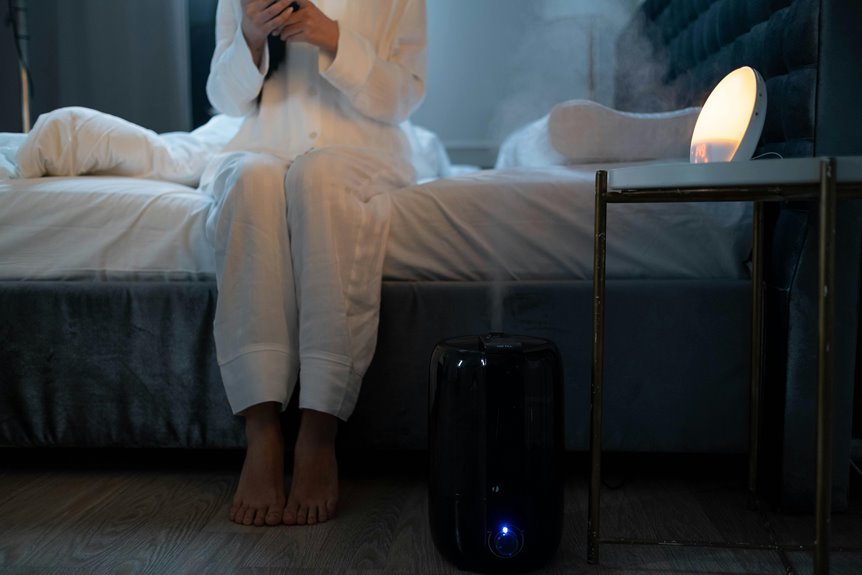
Place a humidifier about 3 to 6 feet from your bed for safe, effective moisture. Keep the mist directed away from your face, pillow, and walls to avoid dampness and fabric damage. A stable nightstand or dresser works well for positioning. Larger rooms may require a higher output model or closer placement for the same effect. Proper placement balances comfortable humidity with reduced mold and mildew risk.
How Close Should a Humidifier Be to Your Bed?
Usually, the sweet spot is about 3 to 6 feet from your bed. That gives you comfort without direct exposure to mist while you sleep. You still get gentle moisture in the room, and you don’t have to worry about your pillow feeling damp or your face getting hit by spray.
Should your room be larger, you could move it a little farther away, but keep it close enough to help the air feel softer. Place it on a steady table or dresser, and check your maintenance schedule so it stays clean and works well.
In case you notice condensation, shift it back a bit. Small changes can make your space feel calmer, and that matters when you’re trying to rest.
Best Humidifier Distance for Sleep
For the best humidifier distance for sleep, aim for about 3 to 6 feet from your bed so the room feels comfortably moist without putting mist right in your face. This setup lets you breathe easier while still keeping your sleep positioning comfortable.
You can place it on a nightstand or dresser, but point the mist away from your pillow so you don’t wake up damp or chilled. Should you like noise masking, the soft hum can blend into the room without feeling too close.
You’ll usually sleep better whenever the air feels even, not wet. In case you share the room, this distance also helps everyone feel included and at ease.
Keep the unit stable, and give yourself enough space to rest peacefully.
Why Placement Changes Moisture Levels
Where you place your humidifier can change how much moisture reaches your bed, walls, and air. Whenever you move it closer, the mist has less room to spread, so you might feel more dampness near your pillow.
As soon as you set it farther away, airflow patterns help carry moisture through the room more evenly, which can feel calmer and more balanced. Distance also affects surface absorption.
Nearby fabric, wood, and paint can pull in extra moisture fast, and that can leave spots feeling wet. In a bigger space, the same mist could seem lighter because the air can hold and mix it better.
Where to Put a Humidifier in the Bedroom
A good bedroom humidifier setup starts with distance, and the sweet spot is often a few feet from your bed.
You’ll usually do best with the unit on a nightstand, dresser, or small table about 3 to 6 feet away, so the mist can spread gently through the room. Keep it on a flat, stable surface and aim it away from your pillow. That helps you share the moisture with the whole space, not just one spot.
Also, give it room from walls and curtains so airflow patterns stay open and even. Should your room feels damp, shift it slightly and check again.
A simple maintenance schedule matters too, because a clean humidifier works better and feels more comfortable night after night.
Signs Your Humidifier Is Too Close
Should your humidifier sits too close to the bed, you’ll usually notice it fast. Your sheets might feel damp, your face could catch direct mist, and the air can turn heavy instead of calm. That close setup can also leave you with respiratory irritation, especially should you wake up stuffy or scratchy. Use this quick check:
| Sign | What it means |
|---|---|
| Wet pillow | Mist is hitting your sleep space |
| Damp sheets | Humidity is pooling nearby |
| Visible mold | Moisture is staying too long |
| Scratchy throat | Air might feel too concentrated |
| Stale smell | The room could be holding excess moisture |
Should you spot these clues, you’re not alone. Many people just need a small shift to feel better.
How to Adjust for Room Size
Room size changes the whole game, because a small bedroom can trap moisture much faster than a larger one. You should match your humidifier to the room volume, so the mist doesn’t crowd your bed or disappear too quickly.
In a compact room, start with a lower setting and place the unit a bit farther away. In a bigger space, you can move it closer, as long as the airflow patterns help spread moisture evenly.
Then watch how the air feels after an hour. Should the room feels damp, shift it back. In the event the room still feels dry, nudge it nearer. You’re not chasing perfection here, just a cozy balance that lets everyone in the room breathe easier and sleep better together.
How to Keep It Quiet Overnight
Supposing your bedroom setup is already working for airflow, the next step is making sure the humidifier doesn’t turn into a nighttime buzzkill. You can help with noise reduction by setting it on a firm dresser or nightstand, since soft surfaces can shake and hum. Keep the tank clean, because mineral buildup often makes the unit louder. In case your model has fan speeds, use the lowest setting that still feels comfortable. Then check the room after lights out; a small rattle can feel huge while you’re trying to sleep. Good motor maintenance also matters, so replace filters on time and follow the care guide. That way, you get calm air, less fuss, and a bedroom that still feels like your own cozy corner.
Frequently Asked Questions
Can a Humidifier Help With Snoring?
Yes, it can help when dry air irritates your throat or nose. You will get better airway hydration, which could improve sleep quality and ease snoring, but it will not fix every cause.
Should I Use Distilled Water in My Humidifier?
Yes, use distilled water if you can; it helps prevent mineral buildup, keeps your humidifier humming like a loyal teammate, and might improve appliance longevity. You’ll breathe easier, feel at home, and keep maintenance simple.
How Often Should I Clean My Humidifier?
You should clean your humidifier every three days to weekly and do filter maintenance as directed. Regular cleaning prevents mineral buildup, keeps mist fresh, and helps you feel comfortable, cared for, and at home.
Is a Cool-Mist Humidifier Safer Than Warm Mist?
Yes, cool mist is usually safer, especially around kids, because it will not cause burns and many families consider it baby safe. About 40% to 60% humidity is helpful, but you still need regular cleaning to reduce mold risk, and energy efficiency is also a consideration.
Can I Run a Humidifier All Night?
Yes, you can run it all night provided you place it correctly in the bedroom, monitor humidity, and don’t overdo it. Good sleep timing matters, so aim for comfort not dampness, and check for condensation.
