Book Appointment Now

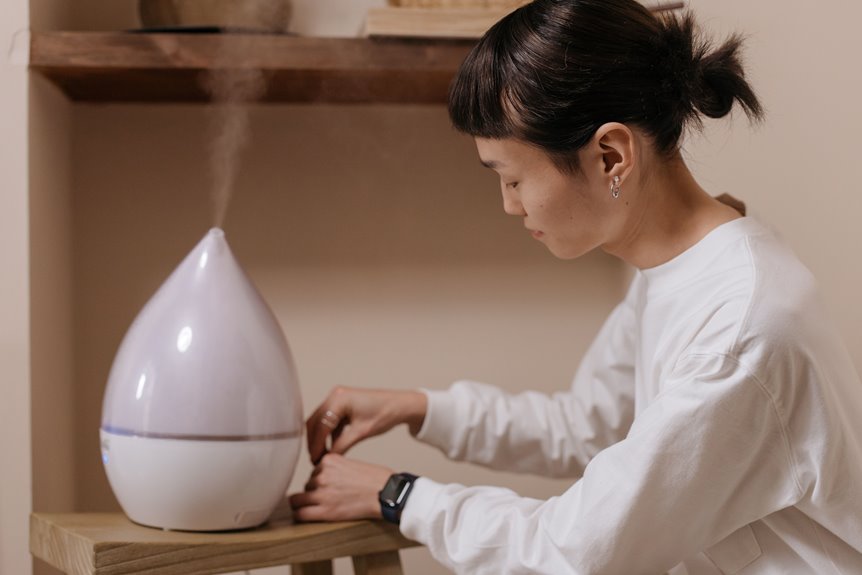
Can You Use Tap Water in a Humidifier?
Yes — tap water works in some humidifiers. Compatibility depends on the humidifier type and local water hardness. Hard water can cause white mineral dust, scale buildup, and reduced mist performance. Evaporative and steam humidifiers tolerate tap water better than ultrasonic models. Simple care—like regular cleaning and occasional use of distilled water for sensitive units—keeps performance strong and air cleaner.
Can You Use Tap Water in a Humidifier?
Yes, you can use tap water in some humidifiers, but it’s not always the best choice, and the type of humidifier matters a lot. In case you use an evaporative or steam model, tap water could work fine, especially whenever your water is soft. Still, distilled water usually gives you fewer health impacts, less buildup, and fewer headaches later.
With an ultrasonic unit, tap water can send minerals into the mist, which might leave white dust and raise cleaning needs. That can also affect noise levels provided scale starts to clog parts.
You deserve a setup that feels clean and easy, not one that keeps asking for extra work. So, consult your manual, stay consistent, and select the water that fits your space and comfort.
What Tap Water Does Inside a Humidifier
Inside a humidifier, tap water doesn’t just turn into mist and disappear, because it leaves behind tiny minerals that keep moving through the machine. You mightn’t see them right away, but they can settle on parts, change how water flows, and make your unit feel less smooth to use. That’s why a little care goes a long way for you and your room.
- Minerals can cling to surfaces and create glass deposition on nearby items.
- Moisture can shift microbial behavior, so cleaning matters more than you’d suspect.
- Residue can build up in the tank, wick, or nozzle, which can make your humidifier work harder.
When you understand this, you can stay ahead of trouble and keep your space comfortable.
Why Tap Water Causes White Dust
The dusty little culprit behind white dust is simple: tap water carries dissolved minerals, and your humidifier can fling them into the air along with the mist.
Whenever you use hard water, those tiny bits of calcium and magnesium don’t disappear. They ride the spray, then settle on shelves, tables, and nearby electronics as aerosolized minerals.
You might notice the dust most in rooms where the unit runs often, because more water means more residue. That’s why the powder can feel so sneaky and frustrating.
Still, you’re not doing anything wrong. Your humidifier is just doing its job with water that leaves a trace.
In case you’ve seen that pale film before, you’re in good company, and now you know what’s behind it.
How Tap Water Affects Mist Output
If you employ tap water, its minerals can build up inside your humidifier and start clogging the parts that make mist.
That buildup often lowers mist output, so you might notice a weaker stream or uneven spraying.
It can also leave a fine white dust on nearby surfaces, which is a clear sign the water’s minerals are riding along with the mist.
Mineral Buildup
Mineral buildup can quietly change how your humidifier works, and tap water is usually the reason behind it. When you fill the tank, minerals like calcium and magnesium stay behind as water turns to mist. Over time, they can cling to parts you trust, and that could lead to sensor degradation and aesthetic staining on the tank or nearby surfaces.
- You might notice chalky residue inside the chamber.
- You might need to clean more often to keep the unit feeling fresh.
- You might see filters or wicks collect deposits faster than you expect.
Because of that, you and your home team of daily routines can benefit from distilled water or careful cleaning. That small step helps your space stay comfortable and keeps your humidifier looking and working like it belongs there.
Reduced Mist Output
Tap water can do more than leave a little chalky mess behind, because it can also make your humidifier work harder and mist less.
Whenever minerals build up, they can narrow the water path and slow the spray you expect. That means you could hear the unit running, yet feel only a weak puff of moisture.
In ultrasonic models, tiny deposits can dull the plate, while an evaporative fan clog can cut airflow and lower output.
You may also notice sensor drift, so the unit believes the room is fine and backs off prematurely.
Should your mist drops fast, you’re not imagining it. A quick clean and fresher water can help your humidifier breathe again and keep you comfortable.
White Dust Residue
That same mineral-heavy mist can show up in a more annoying way too: as white dust on your furniture, shelves, and even inside the room air. Whenever you use tap water, you might notice this fine residue settling after every mist cycle, and it can make your space feel less fresh. For many people, it also raises worry about allergen dispersion and surface staining.
- You wipe the dresser, then the film comes back.
- You notice dusty spots near vents and windows.
- You clean the tank, but the minerals still ride the mist.
If this keeps happening, you’re not doing anything wrong. Your humidifier could just be spraying minerals along with moisture. Distilled water can help you keep the room cleaner and make the whole routine feel easier to live with.
Which Humidifiers Work Better With Tap Water?
Evaporative and steam humidifiers usually handle tap water better than ultrasonic models, and that difference matters more than most people expect. Should you want an easier fit for daily use, these styles often feel more forgiving.
Evaporative units work well because their wick and filter catch some minerals, so filter compatibility matters. Steam models boil the water, which makes them less fussy and often steadier for tap use.
Ultrasonic units, though, can spread minerals into a fine mist, so they ask more from you. Before you buy, check the manual for warranty concerns and cleaning rules. That small step helps you avoid surprises.
Were your goal simple comfort, choosing the right type can make your routine feel calmer and more like home.
When Tap Water Is Safe Enough to Use
Provided that your tap water has low mineral content and comes from a clean municipal supply, it can be okay for short-term use in some humidifiers.
You’ll still want to keep an eye on white dust or buildup, since that’s your clue that the water isn’t a great fit.
For everyday use, though, distilled water usually gives you fewer headaches and a cleaner mist.
Low Mineral Content
Low-mineral tap water can be a reasonable choice for some humidifiers, especially provided your local water supply is already soft and doesn’t leave much residue.
You can check hardness screening results or do a source comparison to see how much calcium and magnesium you’re coping with. Whenever the numbers stay low, your humidifier usually runs cleaner and you won’t feel like you’re babysitting it every day.
- Use tap water in evaporative or steam models initially.
- Watch for white dust, cloudiness, or crusty parts.
- Switch to a gentler water source whenever residue starts showing up.
That way, you stay part of a routine that works for your home, not against it. Small choices like this can make your space feel calmer and easier to share.
Clean Municipal Supply
A clean municipal water supply can make tap water a more practical choice for your humidifier, especially when your city treats and monitors it well. Should you trust the system, you can feel less worried about daily refills. Still, check your local report for water fluoridation and lead risks, since those details matter in your home.
| Check | Why it matters |
|---|---|
| Local water report | Shows mineral and metal levels |
| Lead service lines | Raises lead risks in older homes |
| Water analysis result | Helps you judge tap water safety |
| Humidifier type | Some models handle tap water better |
When the supply stays clear and stable, you might use tap water more comfortably. For a shared routine, that small bit of peace can matter.
Short-Term Use Only
Sometimes tap water is okay for a short stretch, especially once your humidifier is a steam or evaporative model and your local water runs fairly clean. You can lean on it whenever you need comfort fast, but keep temporary precautions in place so the air stays fresh and your space feels cared for.
- Clean the tank daily.
- Watch for white dust or smell.
- Switch to distilled water in case buildup starts.
That kind of short term maintenance helps you avoid extra grime and keeps you in control. Provided your water is soft and your machine has a filter, you’ve got a little more room to breathe.
Still, should you notice residue, scale, or irritation, don’t push it. Your home deserves easy air, and you deserve a setup that feels simple, safe, and welcoming.
When to Switch to Distilled Water
Once your humidifier starts leaving white dust on shelves, cloudy film on furniture, or crusty buildup inside the tank, it’s a good sign that tap water is no longer working well for your setup.
During a seasonal changeover, you might notice this more fast, especially should you rely on allergy management to keep your space calm. That’s at which point distilled water makes more sense.
You give your humidifier cleaner water, and you help your room feel fresher for everyone who lives there.
Should you’ve got an ultrasonic model, the switch matters even more, because it can spread minerals into the air. Even with other types, distilled water can cut down on that gritty surprise.
Should you prefer less fuss and a more comfortable shared space, this swap is a smart move.
How to Reduce Mineral Buildup
Keep mineral buildup in check via making small, steady changes to how you run and clean your humidifier. Use distilled or softened water whenever you can, because that cuts the minerals that cling to parts and drift into the air. Should you must use tap water, stay ahead with these steps:
- Empty the tank daily and let it dry.
- Run vinegar treatments on visible scale, then rinse well.
- Stick to filter replacements on schedule so minerals don’t keep piling up.
Also, wipe the base and tank edges with a soft cloth after use. This helps you and your home stay fresh, and it keeps the humidifier working like part of the team. Should white dust starts showing up, switch water types fast. A little care now saves you a bigger mess later.
How to Clean a Humidifier After Tap Water
After you’ve used tap water, start utilizing emptying the tank and wiping away any visible mineral film before it turns into stubborn scale.
Then utilize a gentle descaling solution to loosen buildup on the tank and parts, since that crusty layer can sneak in fast.
After that, sanitize everything well so your humidifier stays clean, fresh, and ready for the next refill.
Descale Mineral Buildup
Mineral buildup can sneak up fast whenever you use tap water in a humidifier, but the positive part is that you can usually clean it off with a simple descaling routine. You’re not stuck with crusty spots, and your unit can feel like part of the team again.
Start with preventive maintenance, then use mineral screening in case your water feels especially hard.
- Empty the tank and fill it with a mix of equal parts water and white vinegar.
- Let it sit so the deposits loosen, then swish the solution around the base and tank walls.
- Rinse well, wipe dry, and check for any stubborn rings.
Should scale keep coming back, clean more often and consider softer water. That small habit helps your humidifier stay steady, fresh, and ready for you.
Sanitize Tank And Parts
Give your humidifier a full reset through sanitizing the tank and every removable part, because tap water can leave behind more than just harmless droplets.
Initially, unplug it, empty the tank, and wash each piece with warm soapy water. Then rinse well so no soap lingers.
Next, mix a mild vinegar solution or use the cleaner your manual suggests, and let the parts soak long enough to loosen grime. Scrub corners, caps, and the base with a soft brush, since concealed spots trap residue fast.
After that, air-dry everything completely before reassembling.
Keep a steady sanitizing schedule, especially should you employ tap water often. When cracks, stains, or odors stick around, it could be time for part replacement so your unit feels fresh and safe again.
What Water Is Best for Your Humidifier?
Whenever you choose water for your humidifier, distilled water is usually the best pick because it helps cut down on white dust, scale buildup, and extra cleaning. You’ll usually feel better about the mist in your space when you start with cleaner water chemistry.
Tap water can work in some models, but it often leaves minerals behind and can shorten appliance lifespan provided you don’t stay on top of care.
- Use distilled water for ultrasonic units.
- Use filtered water provided distilled isn’t handy.
- Check your manual before you fill the tank.
Should you use tap water, clean the tank often and watch for residue. In a shared home, that little habit helps everyone breathe easier and keeps your humidifier running smoothly.
Frequently Asked Questions
Can Tap Water Void My Humidifier’s Warranty?
Usually you will not void the warranty provided you follow the manufacturer guidelines, but warranty exceptions can apply. Check your model’s manual, because using tap water contrary to instructions could leave you without coverage.
Does Tap Water Make Humidifier Noise Louder?
Yes, tap water can make your humidifier louder, like gravel in a calm stream. Mineral buildup can strain parts and fan vibration might increase. You will keep things quieter with distilled water and regular cleaning.
Can Tap Water Cause Allergies or Asthma Flare-Ups?
Yes, tap water can trigger allergies or asthma flare ups if your humidifier spreads mineral residues or encourages microbial growth. You will breathe cleaner air with distilled water, and you will feel more comfortable keeping your space healthy.
How Often Should Humidifier Filters Be Replaced?
You should replace your humidifier filter every 1 to 3 months depending on use, water quality, and seasonal timing. If you notice odor, buildup, or reduced mist, change it sooner.
Is Bottled Water Better Than Tap Water for Humidifiers?
Yes, bottled water is usually better than tap water for your humidifier because higher water purity helps you avoid mineral buildup. You will get less white dust, easier cleaning, and smoother breathing, especially with ultrasonic models.
