Book Appointment Now

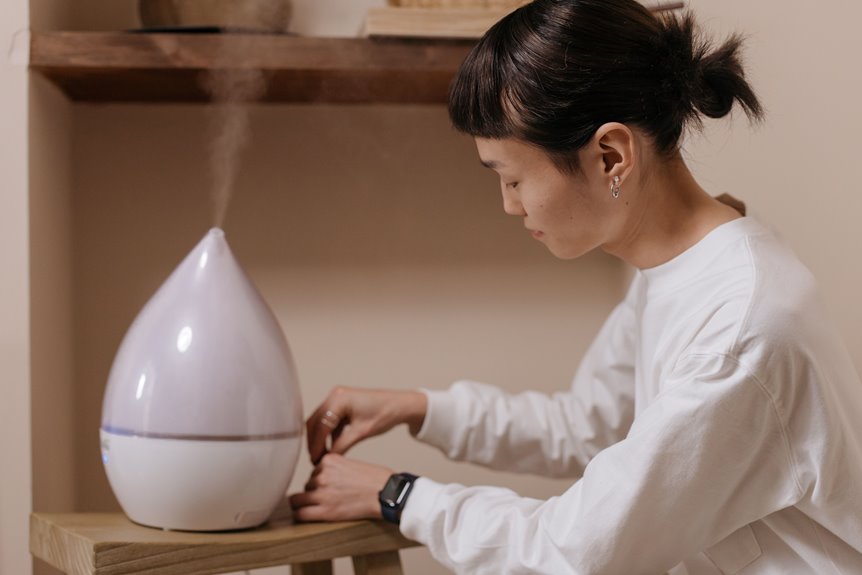
How to Get Rid of White Dust From a Humidifier
White dust from a humidifier comes from mineral deposits in tap water. Use distilled or demineralized water to stop most of the dust. Ultrasonic humidifiers are the most likely to produce dust unless they have a demineralization cartridge. Regular tank cleaning and changing filters cuts dust buildup. Keeping indoor humidity between 30% and 50% reduces residue and improves air quality.
Why Humidifiers Leave White Dust
White dust shows up as your humidifier kicks fine mineral particles into the air along with the mist.
In case you use tap water, the calcium and magnesium in it don’t vanish; they ride the mist and settle on nearby surfaces.
That’s why you might see a pale film on tables, shelves, or dark furniture.
Humidifier placement can make it seem worse, since close walls and low spots catch more residue.
Room ventilation matters too, because still air lets those particles hang around longer and land where you can see them.
With strong airflow, the dust spreads out more, so it feels less obvious.
You’re not doing anything wrong.
Your unit is just carrying dissolved minerals from the water straight into the room.
Use Distilled Water to Stop White Dust
You can stop a lot of white dust by switching your humidifier to distilled water, because it has far fewer minerals than tap water.
Those minerals are what get blasted into the air and settle on your furniture as that chalky film.
In case you’ve already been using regular water, change it regularly so fresh distilled water can keep the residue from building up again.
Why Distilled Water Works
Distilled water works so well because it leaves almost nothing behind whenever your humidifier turns water into mist.
You get why distilled matters fast: its water purity is high, and the benefits explained are simple.
With strong mineral removal, you keep more of what belongs in the air and less of what clings to your unit.
That means you’re not fighting cloudy spray or rough residue on nearby surfaces.
Instead, you and your home stay on the same team, which feels better every day.
Should you’ve been hoping for an easier routine, this swap helps.
You fill the tank, run the machine, and trust the mist to stay clean.
It’s a small change, but it brings real comfort to your space.
Minerals Cause White Dust
Mineral buildup is the real troublemaker behind that chalky haze your humidifier can leave behind. Whenever you fill it with tap water, the water composition carries calcium, magnesium, and other minerals into the mist. Those tiny bits dry on your tables, shelves, and skin, which feels frustrating whenever you just wanted a fresher room.
Distilled water changes the story because it goes through ion exchange and other purification steps that remove most dissolved minerals. So your humidifier sends out clean moisture, not dusty residue. Should you want a simple fix that helps your space stay calm and welcoming, choose distilled water every time. It protects your home, keeps cleanup easier, and helps you feel good about the air you share with your family.
Switch Water Regularly
Even should you’ve already cleared away the chalky residue, the same problem can sneak right back in whenever the humidifier keeps running on tap water.
So, assuming you want the room to feel fresh, switch to distilled water and make it your usual fill.
You can also rotate water only whenever you must, but keep that as a backup, not your habit.
Set simple schedule swaps so you never forget a refill day.
- A clear tank waiting on a bright shelf
- A soft mist drifting near your bed
- A clean cloth by the sink
- A fresh bottle of distilled water nearby
Whenever you stay on top of water changes, you help your home feel calmer, and you keep that dusty film from joining the party again.
What White Dust Does to Furniture
White dust can settle on your furniture like a thin chalky film, and you might notice it most on dark tables, shelves, and TV stands.
Over time, that residue can dull the finish and make your room look less clean, even though you’ve just wiped things down.
It also means you’ll need to clean more often, which can feel frustrating, but a few small changes can truly help.
Surface Buildup
As white dust settles on your humidifier, it doesn’t just stay there. It drifts onto your table, shelf, and floor, where it can collect in a pale film that feels hard to ignore. With smart furniture placement, you can keep those spots easier to care for, and surface protection starts with noticing where the mist lands.
- A dresser top can look chalky by morning.
- A nightstand might show tiny specks around a lamp base.
- A bookshelf can catch a soft ring near the edge.
- A coffee table can hold a faint, powdery trail.
When you place the unit near open air, you help the dust spread out instead of settling in one spot. That makes cleanup feel less personal and less like your room is fighting back.
Finish Dulling
Whenever mineral dust keeps landing on your furniture, it can slowly rob the surface of its shine and leave it looking tired. You might notice finish dulling on tables, shelves, or cabinets, especially in spots that catch the mist initially.
The tiny minerals settle like a pale film, so your surface polish护理 no longer reflects light the way it should. Instead of a bright, cared-for look, you get a faded one that can make the whole room feel less welcoming.
Should you live with family or friends, that change can feel frustrating because your space should feel like yours. Fortunately this damage usually stays on the top layer. Once you stop new dust from settling, you help your furniture keep its smooth glow and stay inviting.
Clean-Up Needs
Once that pale film starts sitting on your wood, glass, or painted surfaces, the cleanup can feel a little unfair. You wipe it away, and it comes back like it pays rent. That’s why your safety checklist matters before you start. Disconnect the humidifier, then dust the nearby area so you don’t spread the mess.
- White powder on a dresser edge
- Hazy spots on a mirror
- Chalky rings on a nightstand
- Fine grit on a windowsill
After that, set a cleaning schedule so residue doesn’t build up. Wipe surfaces with a damp microfiber cloth, then dry them right away. Should you stay steady, you’ll protect your furniture and keep your room feeling cared for.
Whenever you handle the cleanup together with a few simple habits, your space feels more like yours, and less like the humidifier runs the place.
Clean Your Humidifier the Right Way
Provided you want to stop white dust from coming back, start via cleaning the humidifier the right way, because a dirty tank can keep spreading mineral bits even after you change the water. Initially, unplug it, empty every drop, and wash the tank and base with a vinegar and water mix. Let the parts sit for 20 to 30 minutes, then scrub them with a soft brush and rinse well.
Next, check filter maintenance in case your model uses one, since a clean filter helps the unit work with less grit. Also, use a smart placement strategy setting it away from dark furniture and open shelves, so any stray residue feels less annoying. Whenever you clean weekly, you help your space feel fresher, calmer, and more like home.
Replace Filters Before They Clog
Swap out clogged filters before they start working against you, because a dirty filter can hold onto minerals and send that gritty residue right back into the air.
Whenever you stay on top of filter maintenance, you protect your home from surprise dust and keep your humidifier feeling like part of the team.
For smart clog prevention, check the filter often and replace it once it looks stiff, gray, or packed with buildup.
- A fresh filter feels soft, not crusty.
- Clean pleats let mist move through like a clear path.
- Old filters can look like tiny salt-stained carpets.
- New ones help your room stay calm and comfy.
If you live with hard water, don’t wait for a full clog.
A timely swap helps you breathe easier and keeps your space welcoming for everyone.
Lower the Humidifier Mist Output
Dial the mist down a little, and you can often cut back on that chalky white dust before it starts settling on your furniture. Whenever you reduce output, the humidifier sends less mineral residue into the air, so your room stays cleaner and you feel less frustrated.
Try lowering the mist speed initially, then check how the air feels after a few hours. In case your unit has night mode, use it at bedtime for gentler airflow and better energy savings too.
You don’t need a blast of mist to stay comfortable; a steady, lighter setting usually works well. Should dust still show up, keep the setting low for a day or two and notice how much less cleanup you need.
Test Your Tap Water for Hardness
You can assess your tap water with a TDS meter to see how many minerals it carries. Hard water often leaves calcium and magnesium behind, and those minerals can turn into the white dust you see around your humidifier.
Once you know your water quality, you can choose the best fix with a lot more confidence.
Check Water Hardness
Hard water can be the quiet culprit behind that chalky white dust on your furniture. When you check water hardness, you’re really reading your water chemistry and seeing what your humidifier might send into the air. Simple household checking, like a TDS meter or a home strip, helps you spot the issue fast. In case the numbers run high, you’re not alone, and you can still get ahead of the mess.
- A glass of tap water beside your sink
- A trial strip turning darker by the minute
- Mist drifting from the humidifier like fine fog
- A white film settling on a dark table
Then choose distilled or reverse osmosis water. That small switch can help your room feel cleaner, calmer, and more welcoming for everyone.
Minerals Causing White Dust
Minerals are often the quiet reason white dust keeps showing up around your humidifier. Whenever you run tap water through it, calcium and magnesium can ride along in the mist, then settle on tables, shelves, and nearby gear.
That’s why mineral analysis matters so much. You can use a simple TDS meter to check your tap water for hardness and see whether the numbers are high enough to cause trouble. Should they be, water softening could help, but distilled water usually gives you the cleanest result.
Once you know what’s in your water, you can stop guessing and start fixing the problem with less stress. It also helps you pick the right refill water, so your space feels fresher, calmer, and easier to share.
Switch to an Evaporative Humidifier
In case white dust keeps showing up no matter how often you clean the tank, switching to an evaporative humidifier can make a big difference.
You’ll breathe easier because its wick traps minerals instead of spraying them into your room, so your surfaces stay cleaner and your space feels more like home.
The evaporative benefits are simple: steadier moisture and less dusty film.
You’ll also need light wick maintenance, but that’s a small trade for a fresher setup.
- A soft wick catching tiny flakes
- A calm mist rising from a fan
- A clean dresser, not a chalky ring
- Your family relaxing in the same room
When you choose this style, you’re joining a practical crowd that wants comfort without the mess.
Change the wick as needed, and you’ll keep the air pleasant and the cleanup far easier.
Choose a Humidifier for Hard Water
Whenever your water leaves chalky dust on furniture, the right humidifier can save you a lot of cleanup and frustration. Provided you live with hard water, choose a unit built to handle minerals better, not just a cheap mist maker.
Evaporative styles usually trap more residue in the wick, so they fit many homes well. Look for budget models with replaceable filters and clear cartridge guidance, because that makes upkeep easier for yourself.
Also, check long-term durability. A sturdy tank, tight seals, and simple parts help the machine last through frequent cleanings.
Before you buy, read labels for demineralization support and avoid models that only shine with soft water. That way, you join the folks who keep their air comfortable without inviting dusty shelves.
Keep Indoor Humidity in the Safe Range
Because humidifiers work best whenever they add just enough moisture, you’ll want to keep indoor humidity in a safe range, usually between 30% and 50%.
Whenever you stay near ideal humidity, you protect your comfort and help reduce the dry, dusty feeling that makes a room seem off.
Use humidity monitoring so you can spot changes before they bother you.
- Watch a small meter on the wall
- Notice windows with light fog
- Feel air that’s soft, not sticky
- Keep bedrooms calm and easy to breathe in
Should the reading climbs too high, ease back your humidifier setting.
Should it drops too low, add a little more moisture.
That balance helps you feel settled in your space, and your home can feel like it’s working with you, not against you.
Use a Dehumidifier or Air Purifier
A simple fix can make a stubborn room feel easier to breathe in. Whenever white dust lingers, you could pair your humidifier with portable dehumidifiers to pull extra moisture from the air. That helps the room stay balanced, so the mist doesn’t hang around and feel heavy.
Should you want even more support, HEPA purifiers can catch fine particles that float through the room and make the air feel cleaner. Together, they give you a steadier space that feels calmer and more lived in.
You don’t need to fight the whole room at once. Start with one unit, place it where you spend time, and let it work quietly beside you. Small changes like this can make your home feel like it’s on your side.
Fix White Dust on Furniture and Surfaces
White dust can settle fast on tables, shelves, and window sills, so it helps to wipe it off before it spreads around the room. Use a damp microfiber cloth initially, then dry the area so you don’t leave streaks behind. For furniture protection, place coasters, trays, or cloth covers under the humidifier and nearby decor. Should the residue keep landing in one spot, move the unit a little farther away and clean that zone with care.
- A chalky film on a dark coffee table
- A pale line along a windowsill edge
- Soft specks on a bookshelf lamp
- A faint haze on a dresser top
Once the surface feels smooth and clean, surface sealing can help on wood or stone. You’ll keep your space looking cared for, and that matters whenever you want your home to feel welcoming.
Prevent White Dust From Coming Back
Now that the dust is off your shelves and tables, it makes sense to stop it from coming back in the initial instance. Switch to distilled water, or reverse osmosis water whether you can’t get it, because low minerals mean less residue in your space. Should your humidifier supports one, add a demineralization cartridge and replace it on schedule. That small habit can save your whole room from a chalky comeback.
Next, use a smart placement strategy set the unit on a stable surface away from walls and delicate furniture, so mist spreads better and settles less.
For material selection, favor easier-to-clean surfaces like glass, sealed wood, or washable fabric nearby.
Finally, clean the tank weekly with vinegar and water, and dry it fully before storing.
Frequently Asked Questions
Can White Dust Affect People With Allergies or Asthma?
Yes, white dust can worsen allergy or asthma symptoms by increasing allergen exposure and causing respiratory irritation. You will usually notice more coughing, sneezing, or wheezing when your humidifier spreads mineral particles into the air.
Is Reverse Osmosis Water as Good as Distilled Water?
Yes, reverse osmosis water is nearly as good as distilled water, but distilled usually wins in mineral content and particle behavior. In your humidifier, either helps you have a cleaner, dust free room.
How Often Should Demineralization Cartridges Be Replaced?
Replace your demineralization cartridge after about 30 to 40 fillings, or sooner if you notice replacement indicators such as increased white dust or a weaker mist. That small cartridge can be very helpful for your home.
Can Vinegar Damage My Humidifier Parts?
Yes, vinegar can damage your humidifier parts if you soak incompatible materials, causing vinegar corrosion and seal degradation. Protect your unit by checking the manual first, diluting vinegar, rinsing well, and drying everything completely.
Are Mineral Waters Bad for All Humidifier Types?
No, mineral waters aren’t ideal for any humidifier, especially if you want a clean, fine mist. Their mineral content fuels mineral buildup, so you’ll notice more white dust. Use distilled water or a demineralization cartridge.
