Humidifiers Staff

Humidifiers Staff

Best Indoor Humidity for Winter

ideal indoor humidity in winter

Most people believe winter humidity should stay as high as possible, but that can backfire fast. You usually feel best when indoor air stays around 35% to 45%, and that narrow range can protect your skin, throat, and furniture without turning windows into a misty mess. If your home feels scratchy, static zaps keep showing up, or the air seems heavy, the right balance might be closer than you suppose, and a few small changes can make all the difference.

Best Indoor Humidity for Summer

keep indoor humidity around 50

Last July, a bedroom felt like a wet towel until a small hygrometer showed 67% humidity, and that tiny number explained everything. You usually feel best whenever your indoor air stays between 30% and 50% in summer, because it keeps the room from feeling sticky and helps slow mold, dust mites, and window sweat. Should you not be checking it yet, the trick is simpler than it sounds, and the next step can save you a lot of discomfort.

How to Increase Humidity Naturally

add indoor water sources

Like a winter cabin that feels warm only after the stove hums, your home can hold more comfort whenever you add moisture the natural way. You can simmer a pot of soup, let shower steam drift out, and place bowls of water near heat sources so the air slowly softens. Then, should you still feel that dry, scratchy bite, a few small changes can help you tip the balance without much effort.

Humidifier Placement Mistakes to Avoid

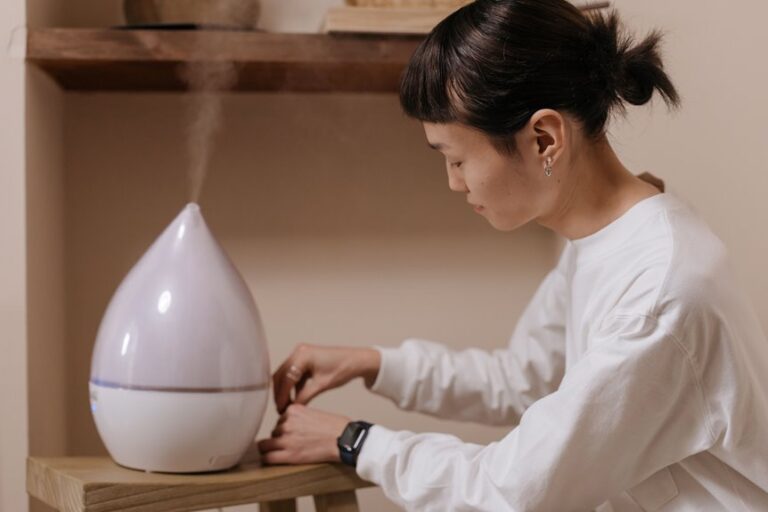
A humidifier can fail fast when you place it where air can’t move freely, and that is something many people don’t realize. You need to keep it away from curtains, shelves, corners, and crowded spots so the mist can spread evenly instead of getting trapped. Also, the surface matters more than you would imagine, because carpet, wood, and tight wall spaces can turn small moisture issues into real damage. The right spot makes all the difference, and a few simple changes can save you plenty of trouble.

Can You Run a Humidifier All Night?

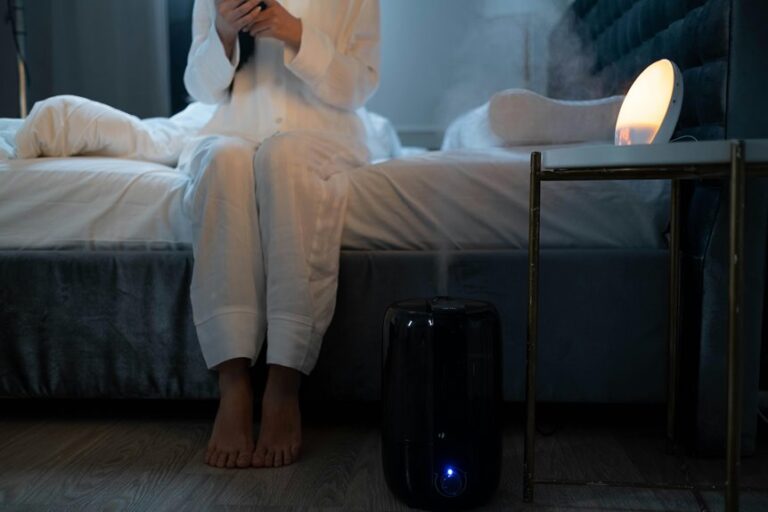
If your room feels dry at night, you can usually run a humidifier while you sleep. The key is to keep indoor humidity in a safe range, about 30% to 50%, so you stay comfortable without making the room damp. Once you know the right level, set it up safely, choose the appropriate type, and avoid problems that arise when moisture gets out of hand.

Can a Humidifier Help Eczema?

humidifier benefits for eczema

A humidifier can do more than soften dry air, because whenever your skin loses less moisture, eczema patches often feel less tight and itchy. If your home feels scratchy in winter or after the heat runs, that dry air might be quietly making flare ups worse. The trick is using the right kind of moisture in the right way, so your skin gets relief instead of another problem.

Can Humidifiers Help With Nosebleeds?

humidifiers reduce dry nasal bleeding

If you frequently get nosebleeds when the air is dry, a humidifier can help by reducing stress on the nasal lining. Adding moisture to your room makes your nose less likely to crack and bleed, especially at night or during winter heat. The key is using it the right way because too much humidity can cause new problems. So which type works best and how do you use it safely?

Humidifier Benefits During Flu Season

Whenever flu season leaves you stuffed up, scratchy, and tired, a humidifier can make your room feel a lot kinder to your body. It adds gentle moisture to dry air, which can soothe your throat, ease stubborn congestion, and help your skin feel less tight. It could even help you sleep better whenever coughing keeps waking you up. But the way you use it matters, and a few simple habits can make all the difference.

Can a Humidifier Help With Sore Throat Symptoms?

humidifier soothes dry throat

If your throat feels worse than just dry, a humidifier could be the gentle fix you need. It adds moisture to the air, which can ease scratchiness, calm irritation, and make swallowing feel less rough, especially at night. The real benefit depends on how you use it, the humidity level you maintain, and whether dry air is actually the problem, so a few simple details can make all the difference.

What Is an Automatic Humidistat?

automatic humidity control device

Ever ponder why your home feels just right one day and stuffy the next? An automatic humidistat quietly watches the air, senses moisture levels, and turns a humidifier, dehumidifier, or HVAC system on whenever needed. You set the target, and it helps keep humidity steady without constant checking. That means less guesswork, fewer equipment cycles, and better comfort for you, your wood floors, and even your sleep. The trick is understanding how it decides at which point to act.