Humidifiers Staff

Humidifiers Staff

Common Humidifier Problems and Solutions

As soon as your humidifier suddenly stops making mist, you may suppose it is broken for good, but often the fix is simple. A clogged filter, low water, or concealed mineral buildup can choke the flow. In the next steps you will see how to check power, clean stubborn parts, stop leaks, and clear out that musty smell before it turns a small issue into a bigger one.

How to Troubleshoot a Humidifier

When your humidifier starts acting like a stubborn cloud with a bad mood, don’t panic. Initially, you’ll check power, settings, the tank, and seals, because small misses often cause big problems. Then you’ll clean, clear clogs, and examine the parts that keep water and air moving. Should it still misbehave, you’ll know at what point a reset helps and at what point a repair makes more sense, which could save you from a surprise later.

Humidifier Filter Care Guide

A clean humidifier filter can make a big difference in how fresh your room feels, and it is easier to manage than you may suppose. Check the wick each week, rinse away loose dust with cool water, and use a vinegar soak whenever mineral crust starts to show. Because water quality, drying time, and fit all affect performance, a few simple habits can keep your unit working better and help you avoid that tired, musty smell that could creep up fast.

Why Does My Humidifier Leave White Residue?

mineral dust from hardwater

Nearly 1 in 3 homes deals with hard water, so if your humidifier leaves a white film you’re not alone. You might be breathing in tiny mineral bits from tap water that dry on your furniture, floors, and even your plants. The type of humidifier, your water choice, and even how high you set the mist can all change how much residue shows up, and one simple switch can make a bigger difference than you’d expect.

Can Hard Water Damage a Humidifier?

mineral buildup damages humidifiers

Hard water can be a tiny menace that slowly turns your humidifier into a tired little machine. If you’ve ever noticed white dust, weaker mist, or a crusty tank, you’re probably seeing mineral buildup from calcium and magnesium. That buildup can clog parts, strain the motor and shorten the unit’s life. So before your humidifier starts acting like it’s had a rough day, it helps to know what’s really happening inside.

How to Improve Humidifier Efficiency

Cool mist should drift softly through your room, not fight against it. You can make your humidifier work better by choosing the right type for your space, matching its size to the room, and placing it on a steady, raised spot away from walls. Use distilled water, clean it often, replace filters on time, seal leaks, and check a hygrometer so you are not guessing, because the smallest tweaks can spare you a lot of hassle.

Humidifier Lifespan: How Long Do They Last?

Like a well-loved coat that slowly thins with time, your humidifier won’t last forever, and how long it stays useful depends on the type you own and how you treat it. Most home units run about 3 to 5 years, but some last longer with steady care while others start to fade sooner should you skip cleaning, use hard water, or keep them on nonstop. So, how do you know whether yours is near the end?

How Long Does It Take a Humidifier to Work?

depends on size settings

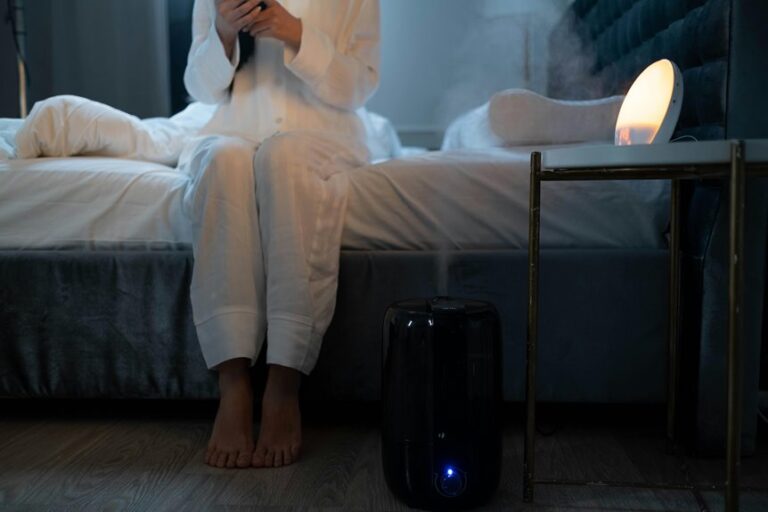
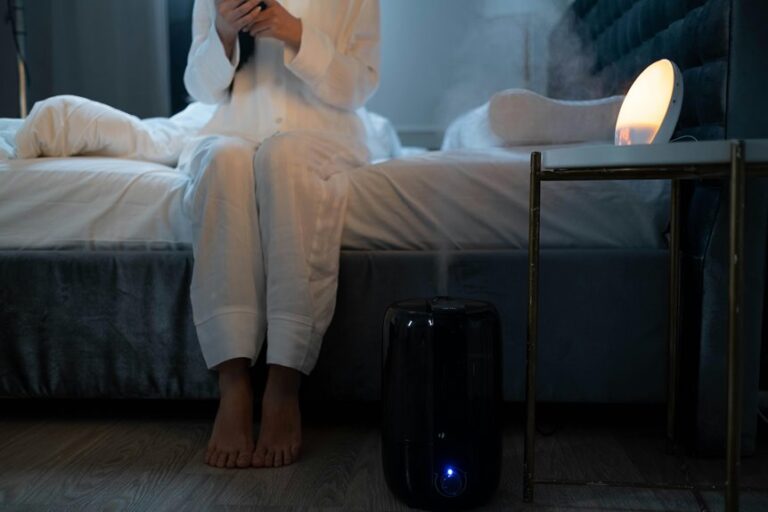
Should you turn on a humidifier in a dry bedroom before bed, you might feel the air soften in about 10 to 30 minutes, but a bigger comfort shift usually takes 1 to 3 hours. How fast it works depends on room size, the unit you use, and whether you keep the door closed. Some models act quickly, while others need more time to build steady moisture, so the real answer gets clearer once you look at what slows it down or speeds it up.

How Humidity Influences Indoor Temperature

humidity raises perceived temperature

How humidity influences how your home feels goes beyond temperature alone because it changes how well your body releases heat through sweat. When the air is damp, sweat lingers and the room feels warmer and heavier. When the air is very dry, heat leaves your skin faster, so the space can feel cooler and sharper. For real comfort, monitor both temperature and moisture because the balance between them can quietly shape your whole day.

Best Indoor Humidity for Winter

ideal indoor humidity in winter

Most people believe winter humidity should stay as high as possible, but that can backfire fast. You usually feel best when indoor air stays around 35% to 45%, and that narrow range can protect your skin, throat, and furniture without turning windows into a misty mess. If your home feels scratchy, static zaps keep showing up, or the air seems heavy, the right balance might be closer than you suppose, and a few small changes can make all the difference.