Book Appointment Now

Understanding Relative Humidity in Your Home
Relative humidity is the percentage of water vapor in the air compared to the maximum air can hold at that temperature. Indoor humidity affects comfort, mold growth, wood stability, and energy use. Typical comfortable indoor RH is about 30–50%. Simple tools like a hygrometer or observing condensation can reveal whether levels are too high or too low. Small fixes—ventilation, dehumidifiers, humidifiers, and temperature control—help maintain healthy moisture and protect home materials.
What Is Relative Humidity?
Relative humidity, or RH, tells you how much water vapor is in the air compared with the most that air can hold at that temperature. You can consider it as a comfort gauge that helps you read your home’s air. When RH rises, the air feels fuller; whenever it falls, the air feels drier.
Warm air can hold more moisture than cool air, so RH changes as temperatures change. That’s why absolute humidity alone doesn’t tell the whole story. You also need vapor pressure, which shows how strongly water vapor pushes in the air. Together, these ideas help you understand why one room feels sticky and another feels crisp.
Whenever you know RH, you can make choices that help your space feel more comfortable and welcoming.
What Is the Ideal Humidity for a Home?
Most homes feel best while the indoor humidity stays in a comfortable middle zone, usually between 30% and 50% RH. Whenever you keep your space there, you help everyone breathe easier, sleep better, and feel more settled.
In winter, lean toward the lower end, because cooler air and heating can make rooms feel damp or dry fast. In summer, a slightly higher level can still feel pleasant provided your timing cycles for cooling and airflow work well.
You can also consider plant selection, since some plants like steadier moisture while others do fine in drier air. Should your home feels clammy, go lower. Should your skin feels tight, go higher.
Small changes can make your rooms feel like they truly fit you.
How to Measure Relative Humidity at Home
Now that you know the comfort range, the next step is to check what your home is actually doing. Use a hygrometer or smart thermostat, and place it where air moves freely, not next to vents, windows, or baths. Smart sensor placement helps you get a true reading. After that, compare the number to your target range.
| Tool | Best use | Tip |
|---|---|---|
| Hygrometer | Spot checks | Read it at eye level |
| Smart thermostat | Ongoing tracking | Review trends daily |
| Humidistat | Room control | Pair it with your system |
Do quick calibration checks every few months, especially when the number seems odd. Should you live with others, measure in shared rooms initially so everyone can stay comfortable together. With steady readings, you can make calm, confident choices.
Signs Your Indoor Humidity Is Too High
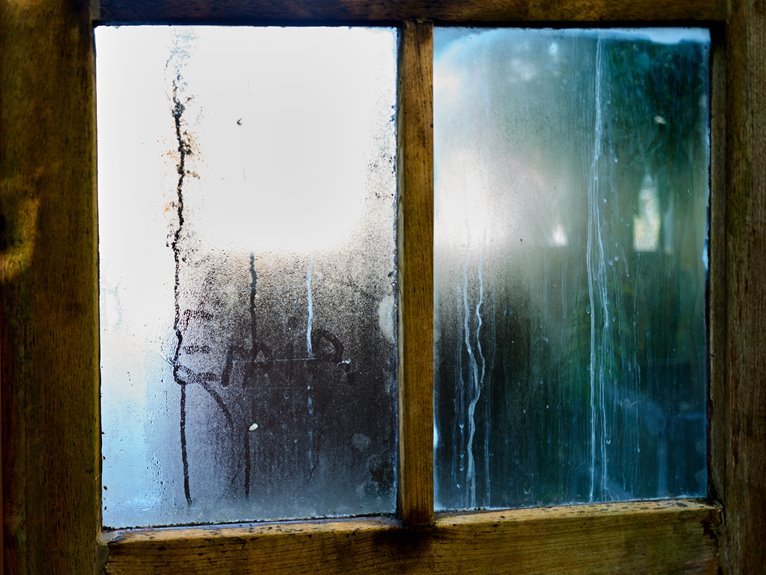
Often, the initial signs of too much indoor humidity show up in small ways that are easy to miss at the outset. You might notice windows fogging up more often, especially after showers or cooking.
Then, a musty smell can linger in closets, basements, or corners where air feels still. You could also spot mold hotspots near tile grout, vents, or behind furniture.
Over time, excess moisture can lead to furniture damage, like swollen wood, peeling finish, or warped panels. Your walls could feel damp, and fabrics can stay clammy longer than usual.
Should you see these clues, your home is telling you it needs better airflow and moisture control. That simple attention can help you protect your space and feel more at ease.
Signs Your Indoor Humidity Is Too Low
Once indoor air gets too dry, your body usually lets you know before you even check a gauge. You might feel nasal irritation, notice dry air making your throat scratchy, or see static buildup when you touch a doorknob. Your skin can also feel tight, and your lips could crack more often than usual.
- Sneezes seem random, but your nose feels raw.
- Blankets cling and clothes shock you.
- Houseplants droop faster than they should.
- Wood shrinkage leaves tiny gaps in floors or trim.
Whenever you notice several signs together, your home probably needs more moisture. Pay attention sooner, because you and your family deserve air that feels calmer and easier to live in.
A small change can make your rooms feel more welcoming without turning them damp.
How Humidity Affects Comfort and Health
Whenever your home’s humidity stays in the right range, you usually feel more at ease, with air that’s neither sticky nor overly dry.
Should the air get too dry, you might notice a scratchy throat, dry eyes, or skin that feels tight and uncomfortable.
Should it get too damp, you can feel stuffy, and your breathing might feel less comfortable, especially if you’re sensitive to mold or dust mites.
Comfort Levels Indoors
A comfortable home starts with air that feels balanced, because humidity can change how your body feels from room to room.
Whenever RH sits near 30% to 50%, you often notice steadier thermal comfort, less sticky skin, and fewer dry feelings.
That balance can also support sleep quality, since you’re less likely to wake up feeling clammy or parched.
Air movement matters too, because a gentle breeze helps you feel cooler whenever humidity rises.
Clothing insulation plays a role as well, since lighter layers can help you adapt without turning the thermostat into a drama queen.
- Dry air can make winter rooms feel sharper.
- Damp air can make summer rooms feel heavier.
- Small RH changes can change how cozy you feel.
- A hygrometer helps you stay in your comfort zone.
Respiratory Health Impacts
Your comfort at home doesn’t stop at how cozy the room feels because humidity also shapes how easy it is to breathe. Whenever air stays too dry, your nose and throat can feel scratchy, and coughing could show up fast. Whenever air gets too damp, indoor mold can grow and trigger airway inflammation, especially should you already deal with allergies or asthma.
| RH Level | What You Feel | What Helps |
|---|---|---|
| Below 30% | Dry throat | Add moisture |
| 30% to 50% | Easier breathing | Keep steady |
| Above 50% | Stuffy air | Lower moisture |
| Very damp | Mold risk rises | Ventilate well |
| Very dry | Irritated airways | Use a humidifier |
You’ll feel better whenever you stay near the middle. Small changes can help you protect your breathing and feel more at home.
Ways to Lower Relative Humidity Indoors
Start through finding the main source of moisture, because that’s often the fastest way to bring indoor humidity down. Check bathrooms, kitchens, laundry areas, and any damp basement spots. In case water seeps in, basement waterproofing can make a big difference.
Run exhaust fans during showers and cooking, and let them keep working for a bit after. Whenever you dry clothes, keep the dryer vent clear and send air outdoors. Cut back on indoor plants should the room already feel muggy, since they add moisture too.
Use a dehumidifier in damp spaces, and empty it often so it keeps helping your home crew breathe easier. Also, seal leaks around pipes and windows, so your place feels drier, safer, and more comfortable together.
- Fix leaks fast
- Vent steam outside
- Dry laundry outdoors
- Monitor RH daily
Ways to Raise Relative Humidity Indoors
Bringing humidity back into the air can feel like a small comfort with a big payoff, especially once your skin feels tight or your throat feels scratchy. You can start with a humidifier, but small habits help too. Set out evaporative trays near heat, and refill them often. Add a few houseplants, since smart plant placement can release gentle moisture while making your rooms feel more lived-in. | Method | Best spot | Easy win |
| — | — | — |
|---|---|---|
| Humidifier | Bedroom | Faster relief |
| Plants | Sunny shelf | Soft moisture |
| Trays | Near vents | Steady lift |
You can also dry laundry on a rack in the room, then open a bathroom door after a warm shower. These simple steps help you feel cozy and included in your own home, without turning the air heavy or sticky.
How to Prevent Moisture Problems Year-Round
You can prevent moisture problems year-round by matching your ventilation to the season, so you let out extra damp air whenever needed and hold onto comfort whenever the air gets dry.
In winter, you’ll want less indoor moisture and better airflow in kitchens, bathrooms, and laundry areas to cut condensation on cold surfaces. In summer, you can stay ahead of sticky air by using fans, dehumidifiers, and good moisture control wherever leaks, showers, or cooking add extra humidity.
Seasonal Ventilation Tips
As the seasons shift, your home’s airflow needs to shift with them, too. Whenever you match seasonal airflow to the weather, you help keep damp spots from settling in.
In spring and fall, open windows on mild days and use window strategies like cross-breezes to refresh stale rooms. In summer, ventilate in the morning or at night, whenever outdoor air feels cooler, so you don’t trap extra moisture. In winter, run bathroom and kitchen fans after showers and cooking, then close windows quickly to hold warmth.
- Check rooms that feel stuffy initially.
- Clear vents so air can move freely.
- Air out closets and corners often.
- Watch for musty smells after rain.
These small habits help you feel at home and keep moisture from lingering.
Indoor Humidity Control
Start keeping indoor moisture in check, because small changes can make a big difference in how your home feels. Aim for 30% to 50% RH, and adjust with the season. In winter, lower levels help prevent window sweat; in summer, steady airflow and dehumidifiers keep dampness down.
| Action | Why it helps | Best time |
|---|---|---|
| Use a hygrometer | You can spot problems fast | Year-round |
| Run fans | Moist air leaves your home | After showers |
| Seal leaks | Water can’t sneak in | Anytime |
| Choose smart materials | They resist dampness better | Remodels |
| Use passive design | Shade and airflow cut moisture | Planning |
When you and your household work together, comfort gets easier. Close the laundry room door, vent dryers outside, and fix drips quickly. Little habits build a healthier home, and you’ll feel the difference every day.
Frequently Asked Questions
Can Relative Humidity Change Without Adding or Removing Moisture?
Yes. When air temperature changes, you can see relative humidity shift without adding or removing moisture. As air temperature rises or falls, vapor pressure stays the same, but your indoor comfort cannot.
Does Cooking Affect Humidity More Than Showering?
Usually, showering adds more humidity than cooking, but you will notice stove steam and food evaporation too. If you cook often, you can raise relative humidity quickly; use your fan so you do not trap moisture indoors.
Should Basement Humidity Targets Differ From Upstairs Rooms?
Yes, you should keep basement targets a bit drier than upstairs rooms, since basements often run moister. Aim lower there, especially near stacked laundry, and use mechanical ventilation to help your home feel comfortably together.
Can Houseplants Noticeably Raise Indoor Humidity Levels?
Yes, they can increase humidity a little, but you usually will not see a big jump. Higher transpiration rates from many plants, plus grouping plants together, can nudge humidity up slightly and help your space feel more comfortable.
Is It Possible to Have High Humidity and Still Feel Comfortable?
Yes, you can feel comfortable in high humidity if you have enough air movement and your psychological comfort stays strong; however, you will still notice muggy air, and mold risks can rise.
