Book Appointment Now

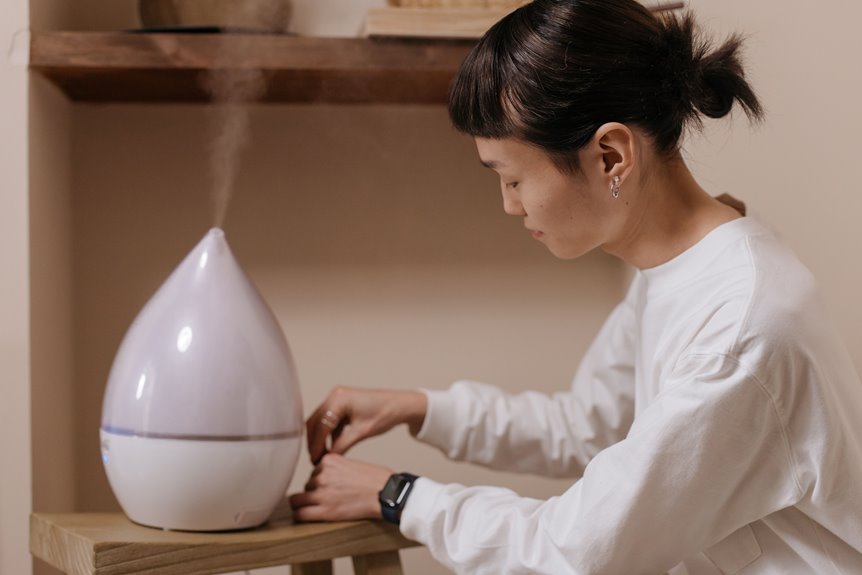
How Often Should You Clean a Humidifier?
Clean a humidifier daily by emptying and rinsing its tank, and give it a thorough scrub about once a week. Clean sooner whenever slimy buildup, odd odors, or white mineral crust appear. Water type, frequency of use, and winter operation affect how fast deposits form. Regular care keeps the device working well and protects indoor air quality. A simple routine prevents mold, bacteria, and mineral dust from spreading through the home.
How Often Should You Clean a Humidifier?
Usually, how often you clean a humidifier depends on how often you use it, but the safest habit is to give it attention regularly so it stays clean and works well.
For most portable models, you should clean it every three days, or at least once a week should your user habits be light. Between cleanings, empty the tank daily, rinse it, and let it dry. That small routine helps you stay ahead of grime without extra stress.
You should also make seasonal adjustments in winter, whenever the unit might run more often and need closer care.
In case you see odor, slime, or buildup, clean it right away.
A simple schedule helps you protect your space and feel good about the air you share.
What Affects Your Cleaning Schedule?
Your water quality changes how fast buildup forms, so hard water can leave mineral scale and cloudy residue behind much sooner.
How often you run the humidifier matters too, because all-day use gives mold and bacteria more chances to grow in standing water.
In case you utilize it heavily during dry winter weeks, you’ll probably need to clean it more often than someone who only turns it on now and then.
Water Quality Effects
Water quality can quietly change how often you need to clean your humidifier, and it can make the job easier or a lot messier. When you use hard water, minerals build up fast, so you might require more frequent scrubbing and descaling. Those deposits can coat the tank, clog the nozzle, and leave stubborn film behind.
Should your tap water have strong odors or additives, you could notice taste alteration in nearby water systems, which can be a clue that the source water needs attention. In some homes, old plumbing adds pipe corrosion particles that settle in the unit and speed up grime.
Usage Frequency Factors
How often you run the humidifier changes how fast it gets dirty, so the cleaning schedule should match the work it’s doing. In case you use it every night, you’ll need to clean it more often than someone who turns it on once in a while.
Heavy winter use, dry air, and long run times all speed up buildup, so seasonal adjustments help you stay ahead of grime. Also, occupancy monitoring matters because a busy home adds more moisture, dust, and germs. Whenever your room feels crowded or the unit sits on for hours, check it sooner.
Should you hear gurgling, smell something odd, or see film in the tank, don’t wait. A little extra care keeps your space fresh and helps everyone breathe easier.
Daily Humidifier Cleaning Basics
Each day, you should empty any leftover water from your humidifier and refill it with fresh water.
Then give the tank a quick rinse and wipe it dry so standing water doesn’t give mold and bacteria a place to grow.
This simple routine only takes a minute or two, but it can help your humidifier stay cleaner and work better.
Daily Water Replacement
Start replacing the water every day, even though the tank still looks fine, because stale water gives mold and bacteria a quiet place to grow. Your nightly refill keeps the mist cleaner and helps your space feel like a place everyone can breathe easy in.
Use this simple water rotation:
- Empty yesterday’s water.
- Add fresh water only.
- Let the tank rest dry for a bit.
- Refill before bedtime.
This habit fits right into daily care and stops old water from sitting overnight. In case you utilize your humidifier often, this small reset matters even more. It also helps you avoid that musty smell nobody wants in shared air.
Through changing the water each day, you protect comfort, reduce buildup, and keep your room feeling welcoming for you and the people around you.
Quick Rinse Routine
After you’ve swapped out the stale water, a quick rinse helps clear away the last bits that can cling to the tank and parts. You’re keeping your crew of clean-air helpers on track, and that matters. Swish warm water around the reservoir, then pour it out. Wipe the inside with a soft cloth. Should your unit have a removable filter, give it a gentle filter rinse, not a scrub. Let everything sit open for tank drying.
| Step | What you do |
|---|---|
| 1 | Empty leftover water |
| 2 | Rinse tank and cap |
| 3 | Clean the filter gently |
| 4 | Wipe visible moisture |
| 5 | Air-dry parts fully |
Keep this routine simple, and you’ll make tomorrow’s refill feel easy. Whenever you stay consistent, your humidifier stays friendlier to you too.
How Often Should You Deep Clean It?
Usually, you should deep clean your humidifier about once a week provided you use it regularly, because standing water can turn into mold, bacteria, and that slimy biofilm no one wants near the air they breathe. That rhythm helps you stay on top of things without feeling buried.
- For daily use, do a quick rinse initially.
- Then, during a seasonal inspection, scrub the tank and base.
- In case you share the unit often, clean sooner.
- Check manufacturer warranties, since some brands request specific care.
When you keep this pace, you protect your space and make the whole room feel fresher.
Should your home runs dry in winter, you might want extra care because water sits longer and buildup can grow faster.
A steady routine keeps your humidifier ready for you and the people who count on it.
Signs Your Humidifier Needs Cleaning
When your humidifier starts showing white, crusty spots, it’s telling you mineral buildup is getting ahead of you.
You might also notice a musty smell or stale water odor, which often means mold or bacteria are starting to grow inside.
And should the mist seem weaker than usual, that’s another clear sign it’s time to clean it so your room stays fresh and comfortable.
Visible Mineral Buildup
- Look at the water line.
- Check the cap and seams.
- Inspect the base and mist area.
- Wipe away any hard scale.
If you see these marks, clean the unit soon so your home stays comfortable and your humidifier stays in the group of tools you can trust. Use distilled water whenever you can, since it helps slow new deposits.
Musty Odors
A musty smell is one of the clearest signs that your humidifier needs attention, especially after you’ve already spotted mineral buildup around the tank or mist area.
That odor often means moisture has settled into concealed spots and let mold or bacteria grow.
In odor chemistry, stale water and organic residue can create that damp, basement-like tone you notice right away.
You shouldn’t try scent masking with sprays or oils, because they only cover the problem and can add more residue.
Instead, empty the tank, wash the parts, and dry them well so the smell doesn’t keep coming back.
If you catch the odor promptly, you protect your room, your comfort, and the people who breathe that air with you.
Reduced Mist Output
Whenever your humidifier starts to sputter instead of send out a steady mist, it’s usually trying to tell you something. You might feel annoyed, but you’re not alone, and the fix is often simple cleaning.
Whenever mineral buildup or grime narrows the tank path, you get airflow blockage, and nozzle clogging can stop the mist fast. Watch for these signs:
- Mist comes out weak
- Output stops and starts
- Water level stays full
- The nozzle looks crusty
If this happens, empty the tank, rinse it, and scrub the parts. Fresh cleaning helps your unit breathe again and lets your room feel comfortable.
With a little care, you and your humidifier can get back on the same team, sharing steady moisture instead of frustration.
How to Clean a Humidifier Step by Step
Whenever you clean your humidifier step by step, you help it work better and keep the air fresher, and that can feel like a small win on a busy day.
Initially, unplug it and pour out any leftover water.
Then check your assembly checklist so every part goes back in the right place.
Next, wash the tank and base with warm water and a little soap, then scrub away film with a soft brush.
For filter sterilization, follow the maker’s directions before you reinstall anything.
Rinse each part well, because leftover cleaner can sting your nose later.
After that, wipe everything dry and let it air out.
Ultimately, rebuild the unit, fill it with fresh water, and get it ready for the next use.
How to Clean Humidifier Filters
Clean the filter gently, because this small part does a big job and can get grimy fast. You help your humidifier work better whenever you treat the filter with care and keep up with cartridge maintenance.
- Turn off the unit and unplug it.
- Remove the filter, then tap off loose debris.
- Rinse it with cool water, unless the maker says not to.
- Let it air-dry fully before you put it back.
If the filter still looks stained, smells off, or stays clogged, it’s time for filter replacement. You don’t need to rush, but you do need to stay on schedule, so your humidifier keeps feeling fresh and dependable.
Whenever you handle this part regularly, you’re joining the crowd of people who keep their homes comfortable and their gear in shape.
Why Hard Water Means More Cleaning
Hard water leaves behind minerals that cling to your humidifier’s tank, nozzle, and parts. As those minerals dry, they turn into scale, which can make your unit work harder and need cleaning more often.
Should you spot cloudy film or crusty buildup, you’ll want to clean sooner so the mess doesn’t get stubborn.
Mineral Buildup
Mineral buildup can sneak up on you, and it often starts with the water you use every day. In case you live with hard water, you might need mineral screening to see how much grit is hiding in your tank. That matters because those tiny deposits make cleaning feel less optional and more like a team chore.
- Use distilled water whenever you can.
- Empty the tank after each use.
- Wipe away white residue before it spreads.
- Try scale inhibitors provided your model allows them.
You’ll still need regular care, but these steps help you stay ahead of the mess. Whenever you catch buildup sooner, your humidifier works better, and you don’t have to battle surprise crust every week.
Scale Formation
Scale forms as the minerals in your water heat up, settle, and cling to your humidifier’s tank, base, and internal parts. Whenever you use hard water, those chalky layers grow faster, so you need more scale prevention to keep your unit working well.
You’ll see white crust on the sides, around the nozzle, and in small corners that trap water. That buildup can make deposit removal feel like a chore, but regular cleaning keeps it manageable.
Should you stay ahead of it, you protect the parts you rely on and help your humidifier stay steady and clean. Using distilled water can slow new buildup, and a soft brush can lift stubborn film without scratching.
Therefore, whenever you spot rough spots, act quickly and give your humidifier the care it deserves.
Faster Maintenance Needs
Because hard water leaves more minerals behind, your humidifier needs faster care than a unit filled with softer water. You’ll notice crust, cloudy film, and rough spots sooner, so don’t wait too long between cleanings.
In busy homes, especially pet households, that buildup can spread fast and make the air feel less fresh. Seasonal adjustments matter too, since winter use often keeps water sitting longer.
- Empty and rinse the tank daily.
- Clean every third day provided you use portable humidifiers often.
- Scrub weekly to stop scale from taking hold.
- Deep clean sooner whenever white deposits or odor appear.
Whenever you live with hard water, shorter cleaning gaps help you stay ahead of grime without becoming swamped. That way, your routine stays simple, and your space still feels cared for.
Best Cleaning Products for Humidifiers
The right cleaning products can make humidifier care feel a lot less like a chore and a lot more like a quick reset for your home. You don’t need a crowded shelf; you need the right few items. Try these natural disinfectants and fragrance free cleaners for routine care:
| Product | Best use |
|---|---|
| White vinegar | Loosens mineral spots |
| Mild dish soap | Washes removable parts |
| Hydrogen peroxide | Freshens the tank |
Use a soft brush, too, so you can reach corners without scratching. In case you share your space with others, gentle products help keep the routine simple and comfortable for everyone. Always check your model’s manual initially, then rinse well so no cleaner lingers. That way, you protect your unit and keep your cleaning habit easy to stick with.
How to Prevent Mold and Bacteria
Whenever you keep up with a simple cleaning routine, you make it much harder for mold and bacteria to settle in and grow. To protect your space, focus on these habits:
- Empty the tank daily so water doesn’t sit and turn stale.
- Rinse and dry every part after use, then refill with fresh water.
- Clean the tank and base every few days, especially during heavy winter use.
- Watch humidity monitoring and do air screening should you notice musty smells or strange dust.
These steps help you stay comfortable with your group and keep the air feeling fresh. Whenever you clean on time, you cut down on slime, odor, and buildup before they spread. A little care now saves you from bigger trouble later, and it keeps your room feeling safe and welcoming.
How Often to Replace Humidifier Parts
Usually, humidifier parts don’t need to be replaced very often, but they do need regular checkups so you can catch wear before it turns into a bigger problem. You should follow the maker’s replacement schedule for filters, wicks, seals, and caps, since each part ages at a different pace.
In case a piece looks cracked, warped, or slimy after cleaning, swap it out sooner. That small step helps you keep your unit running smoothly and your room feeling comfortable.
Also, check warranty coverage before you buy new parts, because some brands replace faulty pieces at no cost. As long as you stay on top of these details, you protect your humidifier and save yourself from surprise breakdowns later.
In a busy season, that little planning feels like having a reliable teammate.
Ultrasonic Vs. Evaporative Humidifiers
Because these two humidifier types work in different ways, they also ask a little different from you whenever it comes to cleaning. You can keep both in good shape, but your routine shifts with the design.
- Ultrasonic units use a vibrating disk, so they can leave fine mineral dust and need you to wipe the tank and base often.
- Evaporative models use a wick and fan, so you should focus on replacing the filter and washing the reservoir.
- Ultrasonic models often have lower noise differences, while evaporative ones might sound like a soft fan; that can affect where you place them.
- Energy consumption also differs, since ultrasonic units usually use less power, but both still require regular care.
When you match cleaning to the type, you help your unit stay fresh and feel like part of your home.
Winter Humidifier Care Tips
Winter can be rough on a humidifier, so a little extra care goes a long way. Whenever cold air dries your room, check your unit more often and keep the tank empty between uses. That simple habit helps your humidifier stay fresh and ready for you.
In case your model sits near a drafty wall, add humidifier insulation around the base or move it to a warmer spot. Also, watch for window condensation, since extra moisture can signal that you need to lower the setting. Use distilled water when possible, and dry the parts fully after each refill. Then, clean on schedule, especially during heavy winter use, so you and your home keep breathing easy together.
Common Humidifier Cleaning Mistakes
Even with the best winter care, a humidifier can slip into bad habits in case you clean it the wrong way. You may feel rushed, but a few small slips can leave your unit dirty and your air less fresh.
Watch for these common mistakes:
- Skipping daily emptying lets old water sit.
- Scrubbing with harsh tools can damage parts and trap grime.
- Leaving chemical residue after cleaning can irritate your space.
- Storing the unit damp or using incorrect storage invites mold.
After you wash it, rinse well and let every piece dry. Then refill with fresh water, and check the tank for slime or scale.
Whenever you avoid these errors, you help your humidifier stay safe, clean, and ready for the whole house.
Frequently Asked Questions
Can I Leave Water in My Humidifier Overnight?
No, you shouldn’t leave water in your humidifier overnight unless you can avoid it. For better overnight safety and less bacterial growth, empty, rinse, and dry it each night, then refill with fresh water.
Is Distilled Water Always Better Than Tap Water?
No, distilled water isn’t always better, but you’ll usually prefer it because it reduces mineral buildup and can slow bacterial growth. If you use tap water, you will need to clean your humidifier more often.
Do Humidifier Cleaning Schedules Differ for Nursery Use?
Yes, you should clean nursery humidifiers more often. Empty and dry them daily, deep clean every three days to weekly, and disinfect regularly. Use baby safe materials and set scheduled alerts so you do not miss any upkeep.
Should I Clean a Humidifier After Using Medicated Additives?
Yes. You should clean it after using medicated additives, because leftover medication residue can invite nozzle clogging. Consider your humidifier like a shared home: you will keep it welcoming, fresh, and safe whenever you wash it right away.
How Do I Store a Humidifier Between Seasons?
Empty, clean, and make sure your humidifier is completely dry before storing it in a dry storage spot. Keep it in a cool location to protect it from mold, odors, and damage until you need it again.
