Book Appointment Now

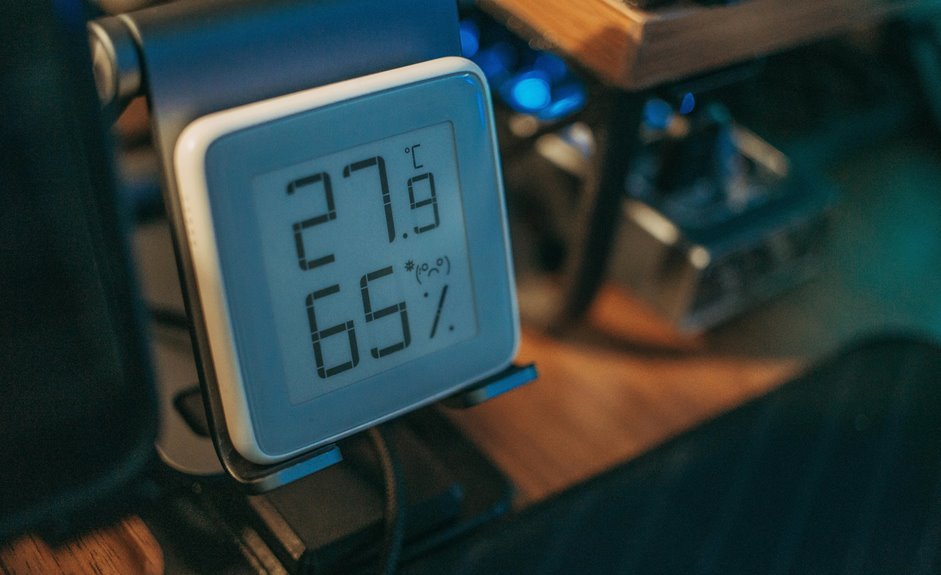
How Humidity Influences Indoor Temperature
Humidity changes how hot or cold a room feels because it alters how the body loses heat through sweat. High humidity slows evaporation, so spaces feel warmer and muggy. Low humidity speeds evaporation, making rooms feel cooler and drier. Both temperature and moisture together determine comfort more than temperature alone. Monitoring relative humidity alongside thermostat settings keeps indoor conditions comfortable and healthy.
How Humidity Changes Indoor Temperature
Whenever humidity rises, your indoor temperature can feel very different even though the thermostat never changes. You’re not imagining it. As vapor pressure climbs, moisture hangs in the air and shifts your thermal perception.
Your body still makes heat, but sweat doesn’t leave your skin as easily, so the room seems heavier and less invigorating. That’s why a space at the same setting can feel cozy one day and stuffy the next.
Once the air holds more water, your comfort changes before the number on the wall does. Through watching humidity as well as temperature, you can better understand why home comfort feels so personal. Then you can choose settings that help you stay settled, relaxed, and truly at ease.
Why Humid Air Feels Warmer Indoors
Whenever the air gets humid, your sweat doesn’t evaporate as fast, so your body loses less heat.
That trapped heat can make the same room feel stuffier and warmer than the thermostat says.
Reduced Sweat Evaporation
Humid air can make your home feel much warmer because it slows down sweat evaporation, and that matters more than many people expect. Whenever sweat stays on your skin longer, your skin cooling drops and your body works harder to stay comfortable. You might notice a higher sweat rate, but less relief. That’s why a room can feel sticky even whenever the thermostat looks fine.
| Humidity | Sweat Evaporation | Comfort |
|---|---|---|
| Low | Fast | Cooler |
| Moderate | Steady | Balanced |
| High | Slow | Muggy |
| Very high | Very slow | Uncomfortable |
| Ideal indoor range | Easier | Easier to relax |
Trapped Body Heat
Your body can’t cool itself as well in damp air, so heat starts to build up under your skin and the room feels warmer than the thermostat says.
You sweat, but the moisture lingers, and your body keeps holding that warmth close. It’s a little like wearing thin thermal insulation that won’t let heat escape. Even your mattress trapping body heat can add to that sticky, boxed-in feeling at night.
As a result, you might notice the same room feels stuffy and heavier, even whenever the air hasn’t changed much. That trapped warmth can make you feel tired, restless, and less at ease around others.
But once humidity drops, your body releases heat more freely, and comfort returns. Then the room starts to feel like a place where you can breathe, relax, and belong.
Why Dry Air Feels Cooler and Sharper
When the air is dry, sweat and skin moisture evaporate faster, so your body sheds heat more quickly.
That can make a room feel cooler and the air feel crisp and sharp, even though the thermostat hasn’t changed.
You might notice this most on dry days, whenever the same indoor temperature feels a lot fresher.
Evaporation Boosts Cooling
Dry air can feel surprisingly invigorating because it lets moisture leave your skin faster, and that quicker evaporation pulls heat away from your body. You feel that shift as latent cooling, and your skin evaporation works like a built in fan.
Because the air isn’t crowded with water vapor, sweat dries sooner, so you get a cleaner, crisper sense of comfort indoors. In shared spaces, this can make you feel more at ease, especially whenever you want the room to feel fresh, not sticky.
It’s a small change, but it can shape how welcome a room feels. Should you’ve ever stepped into a dry room after a muggy one, you know that sharper feeling right away. Your body notices it before you do, and that’s the point.
Less Moisture, Less Heat
Less moisture can make a room feel calmer, crisper, and a little easier to breathe in. Whenever the air holds less water, you notice moisture scarcity right away because sweat leaves your skin faster.
That quick drying supports thermal contraction, so your body sheds heat more easily and the room seems less heavy. You might also feel that same thermostat setting working better, since dry air doesn’t trap warmth the way damp air does.
As a result, you can settle in, focus, and feel more at ease with the space around you. This isn’t magic; it’s your body and the air teaming up in a simpler way. Whenever humidity stays lower, you often get a cleaner, sharper indoor feel without needing to chase extra cooling.
Crisp Air Sensation
Because the air holds less moisture, it can feel crisp, lighter, and a bit more invigorating the moment you step inside. That dry feel gives your skin and lungs less dampness to notice, so the room seems cooler, even though the thermostat stays the same.
In winter crispness, you might also feel sharper focus because the air doesn’t blur your senses the way muggy air could.
- You breathe in with less sticky resistance.
- Your skin feels more awake, not clammy.
- Rooms seem to have better sensory clarity.
- You often notice fresh air sooner.
What’s the Best Indoor Humidity Level?
Usually, the best indoor humidity level falls between 40% and 60% relative humidity, and that range gives you the best mix of comfort, health, and home protection.
You’ll often breathe easier there, and your air quality can stay steadier too. In this range, your skin and throat won’t dry out as fast, and your room won’t feel sticky or stale. You could also notice less dust discomfort and fewer musty smells, which helps you feel more at home.
Should your home get too dry, you could keep raising the heat and energy consumption can creep up. Were it to get too damp, the air can feel heavier and less pleasant.
How Humidity Changes HVAC Efficiency
Once your indoor humidity sits in the sweet spot, your HVAC system can work with less strain and still keep you comfortable. You help it do that by keeping air in the middle range, where cooling feels easier and the system doesn’t fight extra moisture.
Whenever humidity climbs, your unit must remove water and cool air at the same time, which adds compressor stress and energy penalties. That extra work can make your home feel less steady, too.
- Your system reaches comfort faster.
- Your thermostat doesn’t need to drop as far.
- Air feels smoother and less sticky.
- Fans and coils can move air more efficiently.
Signs Your Home’s Humidity Is Too High
One clear sign of high indoor humidity is that your home starts to feel heavy, sticky, or a little hard to breathe in, even as the thermostat says the temperature is fine. You might also spot foggy windows, clammy walls, or a soft dampness on fabrics. Those clues often show up together.
| Sign | What You Notice | Why It Matters |
|---|---|---|
| Sticky air | Rooms feel muggy | Comfort drops |
| Foggy glass | Windows sweat | Moisture lingers |
| Musty odors | Basement smell hangs on | Air needs help |
| Soft surfaces | Towels stay damp | Drying slows |
| Mold warning | Spots appear near corners | Growth could start |
When you notice musty odors and that mold warning, you’re not being picky. You’re catching a real comfort issue that can make your space feel less like home and more like a wet blanket.
Signs Your Home’s Humidity Is Too Low
As indoor air gets too dry, you can start to feel it fast, and your home often tells on itself before you do. Your skin might feel tight, your throat scratchy, and your lips cracked. Then you could notice static shocks when you touch a doorknob, plus brittle wood or curling pages. Even your plants can sag and look tired, which can make the room feel less inviting.
- You wake up with skin irritation or a dry nose.
- Static plants and crackling fabrics show up often.
- Your eyes could feel tired or stingy indoors.
- Wood floors, trim, or furniture might look dry.
These signs matter because low humidity can make the air feel cooler and harsher. Whenever you notice them together, your space might need a little more moisture, so everyone feels more at ease.
How to Control Indoor Humidity Year-Round
Start through watching both the thermostat and the humidity level, because comfort depends on more than temperature alone. You can keep your home steady through using seasonal strategies that match the weather.
In summer, run bathroom and kitchen fans, close windows on muggy days, and let your AC pull extra moisture from the air. In winter, add gentle humidification provided the air feels dry and scratchy.
Next, use humidity zoning in rooms that trap moisture, like basements, laundry areas, and baths, so one damp space doesn’t spread discomfort everywhere. Check readings often, and aim for a range that feels balanced, usually around 40% to 60%.
That way, you and your family can enjoy a calmer, cozier home all year without chasing the thermostat.
Smart Ways to Manage Humidity Indoors
Smart humidity control starts with the right tools, because guesswork can leave your home feeling sticky, stuffy, or oddly dry. You can track comfort with moisture sensors, then adjust fans, vents, or a dehumidifier before the air turns heavy.
Should your rooms run dry, add a humidifier and place smart plants nearby, since they can support a calmer indoor feel.
- Check humidity in occupied rooms and bedrooms
- Vent bathrooms and kitchens right away
- Run dehumidifiers in damp corners
- Seal leaks so moisture doesn’t creep in
Whenever you keep levels steady, you help your body relax and your space feel more welcoming. That balance matters whenever you want a home that feels like it fits you.
Frequently Asked Questions
How Does Humidity Affect Sleep Quality Indoors?
You sleep hotter, sweat more, and wake groggy; you’ll notice humid sleep feels sticky, while mattress moisture can trigger discomfort and congestion. Keep humidity near 40% to 60% and you’ll rest deeper.
Can Humidity Change How Thermostats Read Room Temperature?
Yes, humidity can skew your thermostat’s reading if the sensor calibration is off or airflow is poor. You will often feel warmer or cooler than the number shows because human perception changes with moisture in the air.
Does Indoor Humidity Impact Allergies and Respiratory Comfort?
Yes. When humidity drops below 30% you can feel itchy and airborne allergens linger longer. You’ll protect your breathing better at 40% to 60% humidity, where you’re less likely to get mucous membrane irritation.
Why Do Windows Fog up in Humid Rooms?
Your windows fog up because warm, moist air hits the cooler glass, causing surface cooling and condensation. You’ll see water droplets form whenever the air cannot hold its moisture anymore, especially in crowded, cozy rooms.
How Do Plants Influence Indoor Humidity Levels?
You’ll raise indoor humidity whenever your plants transpire and release moisture through leaves, especially with moist soil. It isn’t just your watering habits; healthy, leafy plants can subtly soften dry air and make rooms feel cozier.
