Book Appointment Now

How Humidity Affects Skin Health
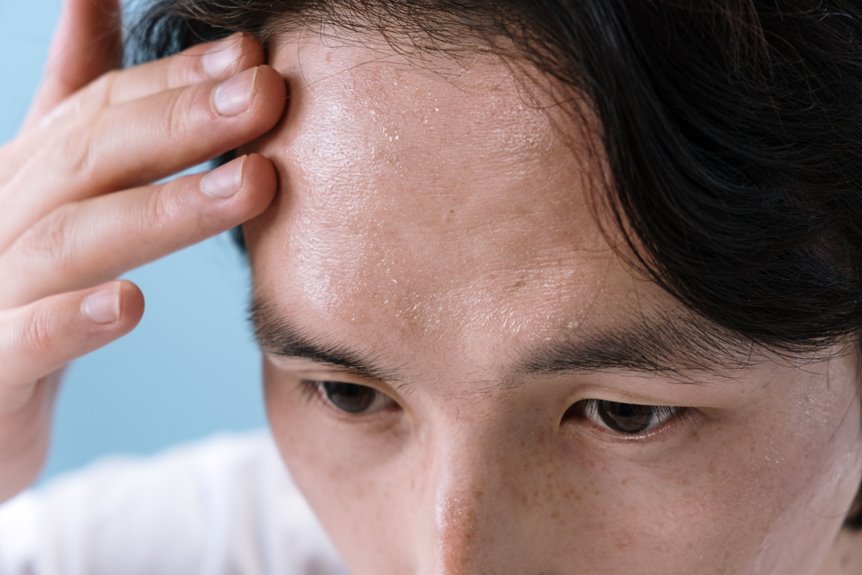
Humidity directly shapes skin hydration: dry air pulls moisture from the skin, causing tightness and flaking, while high humidity increases surface moisture and oiliness. Low humidity accelerates water loss through the skin barrier, raising sensitivity and rough texture. High humidity creates a damp environment that can clog pores and promote acne. Seasonal and indoor humidity shifts can quickly change skin comfort and appearance. Simple adjustments to skincare and environment help maintain balance and reduce irritation.
How Humidity Changes Skin Health
Humidity quietly shapes how your skin feels and behaves every day. Whenever the air changes, your skin barrier responds too, and you can notice shifts in comfort, smoothness, and balance.
In drier air, moisture leaves faster, while in very moist air, your skin might feel heavier and less steady. That’s why circadian hydration matters: your skin’s needs change across the day and night.
You could also see microbiome shifts, since humidity can influence the tiny organisms residing on your skin. Whenever conditions stay near a middle range, your barrier usually works better and feels calmer.
How Dry Air Dries Out Skin
Dry air pulls water from your skin faster, so you might notice that your face and body feel tight or rough toward the end of the day.
As that moisture drops, your skin barrier can weaken, which makes it easier for irritants to get in and for more water to escape.
That’s whenever itchiness, flaking, and that nagging “my skin feels angry” feeling can show up.
Moisture Loss From Skin
As the air turns drier, your skin starts losing water faster than it can replace it. You might feel tight, flaky, or just off, like your face missed the memo.
To help your skin stay comfortable, lean on:
- richer creams
- occlusive treatments
- gentle cleansing
- steady hydration
- night occlusion
These steps work because they slow water escape from the surface and give your skin more time to hold onto moisture. Whenever you add them to your routine, you’re not fixing your skin alone, you’re joining a care plan that numerous people use in dry weather.
Even a light layer at night can make your face feel less thirsty whenever morning arrives. Should your room runs dry, a humidifier can help too. Small changes like these can keep you feeling more at home in your own skin.
Barrier Weakening Effects
Whenever the air gets too dry, your skin barrier has to work much harder to stay intact, and that strain shows up fast.
You might notice tighter, rougher skin because water escapes more easily and the outer layer can’t hold it in well.
Dry air also triggers lipid disruption, so the natural fats that seal your skin start to thin out.
As that protection weakens, irritants slip in more easily and your skin feels less steady.
The changes can also cause microbiome shifts, which means your skin’s helpful bacteria might lose balance.
That matters because your barrier and microbes work as a team.
Whenever one struggles, the other often does too, and you end up with skin that needs extra care and patience.
Itchiness And Flaking
You might notice the initial signs of dry air on your skin long before you think about the weather. Your face can start to itch, then tiny flakes show up on your cheeks, arms, or hands. That’s because low humidity pulls water from your skin faster than you replace it.
- Itchiness can feel worse after a hot shower.
- Flaking often shows up around sleeves and collars.
- Textile irritation can make rough clothes feel unbearable.
- Seasonal dermatitis could flare as air turns cold and dry.
- Scratching only deepens the dry cycle.
Why Low Humidity Weakens the Skin Barrier
Whenever the air is dry, your skin loses water faster than it can replace it, so the outer layer starts to feel tight and rough.
That moisture loss weakens your skin barrier, which makes it harder to hold in hydration and protect against irritation.
Over time, you might notice more flaking, sensitivity, and that stubborn dry feeling that just won’t quit.
Moisture Loss From Skin
Dry air quietly pulls water from your skin, and that steady loss can weaken your barrier fast.
You might notice tightness, dullness, or that rough, thirsty feel that makes you want to reach for cream right away.
Whenever humidity drops, your skin works harder to keep comfort and support cutaneous thermoregulation and lipid synthesis.
- Water leaves faster from the outer layer
- Your skin feels less soft and flexible
- Fine lines can look sharper
- Dry patches can spread
- You might feel less at ease in your own skin
Because of this, you fit in best whenever you give your skin more help.
A richer moisturizer can slow escape and restore comfort, so you stay calm, smooth, and ready for the day without that prickly desert feeling.
Barrier Function Breakdown
At the level of your skin’s outer shield, low humidity starts to chip away at the barrier that keeps moisture in and stress out.
Whenever the air stays dry, your skin loses water faster, and the outer cells can’t hold together as well. That leads to lipid disorganization, which weakens the seal between cells, and corneocyte cohesion, which helps the surface stay smooth and strong.
As this barrier loosens, irritants slip in more easily, and your skin can feel tight, rough, and more reactive. You’re not imagining it whenever your face feels a little “off” in winter or in dry rooms. With less support, your skin works harder just to stay balanced.
How Humidity Affects Oily Skin
Humidity can be tricky for oily skin because it often makes the oil you already have feel even more obvious. You’re not alone should your face look shinier by midday. A warm, damp day can push your sebaceous rhythm into overdrive, and your skin could feel slick instead of balanced. That’s where smart care helps:
- Use prebiotic skincare to support a calm skin surface.
- Pick lightweight, oil-free moisturizer.
- Choose non-comedogenic sunscreen daily.
- Cleanse gently after sweating.
- Skip heavy layers that trap shine.
Once you keep your routine simple, you help your skin feel more comfortable and less crowded. Moist air can still leave you glowing, but not in a way that feels messy. With the right habits, you can stay fresh and confident, even whenever the air feels thick.
Why Humid Weather Can Trigger Breakouts
Whenever the air turns humid, your skin can make more oil, and that extra sebum can sit in your pores. Sweat can also mix with oil, dirt, and dead skin, which makes clogging more likely.
That’s why humid weather can leave you facing more breakouts, even whenever you’re trying to keep your skin calm.
Excess Sebum Production
Sweatier air can quietly nudge your skin into overdrive, and that often means more sebum than you’d like.
- Your sebaceous glands might stay extra active in humid air.
- Hormonal modulation can make that oil surge feel stronger.
- Shine can show up fast, even after you washed earlier.
- Oilier skin could feel less comfortable in a crowd.
- Small breakouts can make you want to hide, not shine.
As humidity rises, sebaceous gland physiology shifts, and your skin might release more oil to protect itself.
That extra film can leave you feeling greasy and out of sync with your group.
Should your skin already run oily, humid days can make the problem louder.
You can help through choosing light, non-comedogenic products and cleansing gently.
That way, you support your skin without stripping it, and you still feel like yourself.
Pore-Clogging Sweat
Your skin can go from calm to clogged fast in sticky weather, and that shift often starts with sweat sitting on the surface longer than it should. In humid air, your sweat composition mixes with oil, dead skin, and grime, so it lingers inside pores and raises follicle occlusion. That’s why you might notice more bumps after a hot commute, a workout, or a damp day outdoors.
Whenever sweat can’t dry well, it feeds buildup and gives breakouts a better chance to start. You don’t need to feel stuck, though. Gentle cleansing after sweating, light non-comedogenic products, and breathable fabrics can help your skin stay clear. With a few smart habits, you can face muggy days with more confidence and less frustration.
Dry Skin Care Tips for Low Humidity
Low humidity can leave your skin feeling tight, rough, and a little extra needy, so the best care starts with helping it hold onto moisture. You can build a calm, comfy routine that feels like it belongs to you.
- Use a gentle cleanser.
- Apply humectant layering with glycerin or hyaluronic acid.
- Seal it in with a rich cream.
- Time occlusive timing last at night.
- Keep water and a humidifier nearby.
After cleansing, pat your skin damp, then moisturize right away. This helps trap water before it slips away. Choose ceramides and avoid hot showers, since they can make dryness worse.
Should your cheeks sting or flake, ease up on scrubs and strong acids. With steady care, your skin can feel softer, stronger, and more at home in dry air.
Oily Skin Care Tips for Humid Days
Should dry air left your skin thirsty, humid days can swing the other way and make it feel slick, shiny, and a little harder to manage.
You don’t need a harsh routine to stay in control. Start with a gentle cleanser, then use lightweight serums that hydrate without adding extra grease.
After that, choose a thin moisturizer only provided that your skin still feels tight. For daytime, reach for sweat proof sunscreen so you can protect your skin without adding a heavy layer.
Also, blot oil instead of scrubbing, since that keeps your skin calm and your makeup in place. In case you work out or sweat outside, wash your face soon after.
Small steps like these help you feel comfortable, fresh, and part of your own skin again.
How Humidity Affects Sensitive Skin
Sensitive skin often acts like an early warning system, so changes in humidity can manifest quickly. Whenever the air gets dry, your skin could sting, flush, or feel tight because it loses water faster. As humidity rises, you might notice more heat, sweat, and clogged pores. That mix can make you feel out of sync with your own skin.
- watch for quick redness
- observe stinging after cleansing
- track flare patterns due to weather
- choose humidity-responsive routines
- respect fragrance sensitivity
You’re not being dramatic; your barrier is asking for help. In dry rooms, gentle care matters. In muggy spaces, light cleansing helps. Small changes can keep you feeling steady, calm, and part of the comfort you deserve.
Choosing the Right Moisturizer for the Weather
As the weather shifts, your moisturizer should shift with it, because your skin does not need the same kind of help in every season. You can match it with seasonal textures that feel right on your face and keep you comfortable.
| Weather | Pick |
|---|---|
| Dry air | Cream |
| Cold wind | Balm |
| Mild days | Lotion |
| Wet heat | Gel |
| Sticky humidity | Oil-free |
In dry, cool weather, reach for richer formulas with ceramides and glycerin. Whenever air feels heavy, choose lighter layers that won’t sit on top of your skin. Look for packaging innovations like pumps and airless tubes, since they help keep formulas fresh and easy to use. Should your skin feel tight, add more comfort. Should it feel greasy, ease up a bit. That balance helps you feel at home in your own skin.
How to Protect Skin Indoors Year-Round
Your moisturizer can do a lot of good, but the air around you still shapes how your skin feels all day. Keep indoor humidity near 40% to 60% so your skin stays comfortable. Use a humidifier in dry rooms, and check it with a simple monitor. Whenever the air feels stale, open windows or use ventilation strategies to move fresh air through your space.
- Pick gentle cleansers that won’t strip your skin
- Apply moisturizer right after washing
- Run a fan after showers to cut dampness
- Keep heating vents from blasting your face
- Drink water and keep sunscreen nearby
These small habits help you protect your skin at home, at work, and everywhere you spend time indoors. You deserve that steady, cared-for feeling.
When Humidity Makes Skin Problems Worse
At the point humidity swings too far in either direction, your skin often feels it initially. In dry air, water escapes fast, so you might notice tightness, flakes, and stinging that can make you feel out of sync with everyone else at the mirror. In sticky air, sweat and oil linger, and pores can clog, which could turn a calm face into a breakout zone.
These shifts can also stir up seasonal allergies and make already sensitive skin itch more. Should you wear rough fabrics, textile irritation can join the mess and leave you red and unhappy. Eczema, acne, and heat rash often flare whenever barrier stress rises. Once that happens, your skin needs gentler conditions, because it’s trying to keep up.
Daily Skin Habits for Any Humidity Level
Most days, your skin does best whenever you keep the routine simple and steady, no matter how muggy or dry the air feels. Start with morning rituals that cleanse gently, add moisturizer, and finish with sunscreen, so your barrier stays cared for. Then, make evening adjustments based on the day’s weather.
- Use a richer cream if air feels dry.
- Choose a lighter, non-comedogenic lotion once humidity climbs.
- Wash sweat off after hot, sticky hours.
- Pick a gentle cleanser that won’t strip moisture.
- Drink water and keep your room comfortable.
These habits help you feel more settled in your own skin, because small steps can make a real difference. Provided you stay consistent, your face gets the message: you’re looking out for it, and it can relax a little too.
Frequently Asked Questions
Can Humidity Affect How Skincare Products Absorb?
Yes. Humidity can influence how your skincare absorbs. When your skin barrier stays balanced, product penetration improves; in dry air, products might sit less evenly, whereas humid air can alter how they spread and sink in.
Does Humidity Change the Skin’s pH Level?
Yes, humidity can nudge your skin’s acidity a bit, but it usually affects barrier integrity and moisture more than pH. You will keep your skin steadier with balanced hydration, gentle cleansing, and supportive moisturizer choices.
Can Indoor Humidity Help With Winter Skin Itch?
Yes, indoor humidity can help with winter skin itch by improving your moisture balance. Humidifiers benefits might reduce dryness, soothe tight skin, and support comfort, so you can feel more at ease all season long.
Does Humidity Affect Sunburn Recovery Time?
Yes. Humidity can slightly affect your sunburn healing by improving moisture retention, so your skin might feel less tight and peel less. You will still need soothing care, hydration, and sunscreen to recover well.
Can Humid Weather Worsen Body Odor on Skin?
Yes, humid weather can worsen body odor on your skin because damp air acts like a greenhouse, feeding your sweat microbiome and fabric retention. You will smell stronger whenever moisture lingers, so choose breathable clothes and shower sooner.
