Book Appointment Now

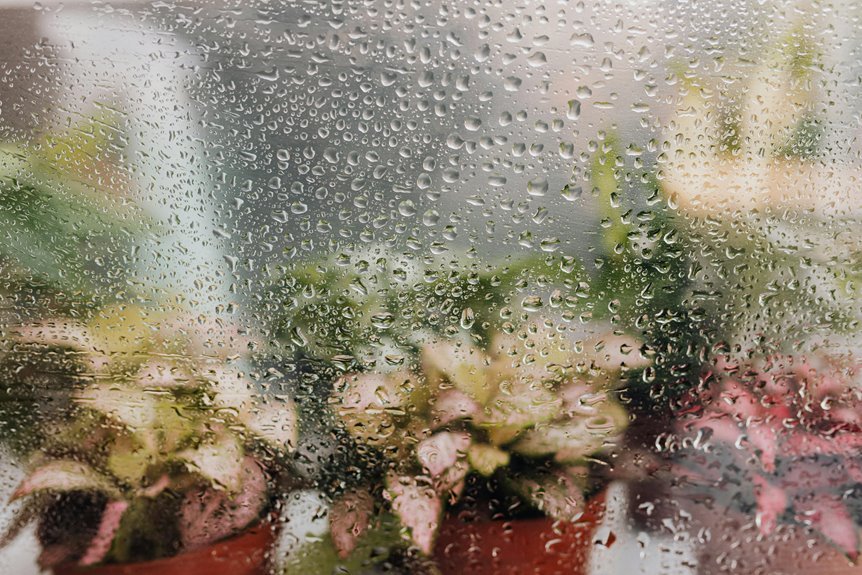
How Humidity Affects Houseplants
Humidity strongly influences houseplant health. Dry air causes faster water loss from leaves, producing brown tips, curled edges, and thin, limp foliage. Most common houseplants prefer indoor humidity around 40% to 60%, while tropical species often need higher levels. Small differences in local humidity explain why one leaf can look healthy while another struggles. Adjusting humidity and watering habits keeps plants balanced and thriving.
How Humidity Affects Houseplants
Even though your houseplant sits safely indoors, the air around it still matters a lot. You help your plant stay steady when humidity matches its needs, because leaves keep working through transpiration. When the air feels drier, stomatal behavior shifts, and the leaf might close pores to save moisture. That can slow growth and make care feel a little trickier.
You can also see cuticle thickness matter, since thicker cuticles hold water better than thin ones. So, a fern could ask more from you than a sturdy snake plant. Should you notice brown edges or curling, your plant is telling you it needs kinder air. Through watching these signals, you build trust with your green companion and create a space where it can belong.
Why Low Humidity Harms Houseplants
As soon as humidity drops too low, your houseplant has to work much harder just to keep enough water in its leaves. Dry air speeds transpiration, so moisture escapes faster than roots can replace it. To protect itself, the plant might trigger stomatal closure, which slows gas exchange and can trim photosynthesis. At the same time, cuticle thinning leaves the leaf surface less able to hold water.
| Low Humidity | Plant Response | What You Feel |
|---|---|---|
| Dry room | Faster water loss | More watering |
| Thin leaves | Higher stress | Less growth |
| Pale air | Closed pores | Weaker energy |
Tropical plants, ferns, and soft-leaved favorites feel this initially, especially whenever your home sits near 40% humidity or lower.
How to Spot Humidity Stress on Leaves
Look closely at the leaves, because they often tell you initially as soon as humidity is too low. You might see crisp edges, curled tips, or a papery leaf texture that feels thin under your fingers.
New leaves can stay small, and older ones could droop even during the soil isn’t dry. Watch for brown tips, yellowing, or buds that drop before they open.
These clues happen because dry air speeds water loss, so the plant can’t keep up. Also, low stomatal activity can show up as dull leaves that seem tired instead of lively.
Should you notice these changes, you’re not failing your plant. You’re just catching a signal ahead of time, and that gives you room to help it recover.
Best Humidity Levels for Houseplants
Most houseplants do best while the air feels comfortably moist, not soggy and not desert-dry, and that sweet spot usually sits around 40% to 60% relative humidity. You can treat that range like your plant’s happy neighborhood. | Level | What you’ll notice |
| — | — |
|---|---|
| 30% or lower | Dry tips and fast moisture loss |
| 40% to 50% | Solid for many common plants |
| 50% to 60% | Cozy for most indoor growers |
| Above 60% | Watch airflow and wet soil |
Seasonal variation can shift your room from comfy to parched, so check often. Sensor placement matters too; keep the sensor near leaves, not adjacent to vents or sunny windows. That way, you’ll read the air your plants actually live in, and you can adjust with confidence.
Which Houseplants Need Higher Humidity
Some houseplants need a little extra humidity to stay at their best, especially whenever they come from warm, leafy places where the air never feels dry.
You’ll usually notice them by their soft leaves and their fussy reactions to dry rooms.
Tropical ferns, calatheas, and prayer plants often start to crisp fast, while orchids also do better with steady moisture in the air during orchid care.
- Ferns: they like gentle, moist air.
- Orchids: they bloom better while air stays comfortable.
- Peace lilies: they droop once the room feels parched.
- New baby leaves: they stay fuller provided kinder air.
If your plant tribe includes these, you’re not being dramatic. You’re just giving them the cozy corner they were built for.
How to Raise Humidity for Houseplants
In case your air feels dry, you can give your plants a little lift with simple tricks that work well in everyday rooms. Pebble trays help through letting water evaporate near the pot, and grouped plants create a softer, more humid spot around their leaves.
Together, these methods can make your plants feel a lot less stressed without much effort on your part.
Pebble Trays
Pebble trays can give your houseplants a gentle humidity lift without much fuss, and that’s a relief whenever dry indoor air starts making leaves feel stressed.
You can fit one into your shelf or windowsill scene with simple tray designs or pretty decorative trays that still do the job.
Here’s how you make it work:
- Choose a shallow tray that fits under the pot.
- Add a layer of clean pebbles.
- Pour in water until it sits below the stones.
- Set the pot on top, so roots stay dry.
As the water evaporates, it softens the air around your plant.
That little uplift can help you protect tender leaves, especially whenever your home feels more desert than jungle.
Grouped Plants
Grouping your houseplants can give you a small but meaningful humidity increase, and it often works better than you’d expect. Whenever you use plant clustering, each leaf releases moisture, and the plants share a softer, shared microclimate that feels friendlier in dry rooms.
| Setup | Effect | Best For |
|---|---|---|
| Tight cluster | More moisture nearby | Tropical plants |
| Mixed heights | Better leaf coverage | Shelves and tables |
| Close together | Steadier air | Ferns and calatheas |
You don’t need a jungle. Just nudge pots together, leave a little space for airflow, and let the group do the quiet work. Whenever your home feels a bit too crisp, especially in winter. Provided one plant seems thirsty, you’ll notice it sooner, and the whole little plant family can settle in together.
How to Keep Humidity High Without Mold
Keeping humidity high without inviting mold takes a little balance, but you can do it. You want moist air around your plants, yet you also need fresh air moving through the room. Try this:
- Use a humidifier near your plant group.
- Run controlled ventilation for a few minutes daily.
- Keep leaves dry after misting.
- Remove wet saucers and clean soil spills fast.
When you see early-stage fungus, use preventive fungicides only as directed, and don’t let pots sit in stagnant corners. Grouping plants helps everyone share humidity, but leave space between pots so air can slip through. Suppose your room feels damp, open a window a bit or use a fan on low. That way, your plants stay comfy, and mold doesn’t get a quiet seat at the table.
Frequently Asked Questions
How Does Humidity Affect Watering Frequency for Houseplants?
Low humidity can raise your watering frequency because it speeds leaf transpiration; you will lose soil moisture faster, especially in small pots. Many homes sit at 40% to 50% humidity, so you might need to check plants more often.
Can Humidity Problems Mimic Pest or Nutrient Issues?
Yes. Humidity problems can imitate pests or nutrient issues. You may see leaf discoloration, curling, or drop, and low humidity can stress root respiration indirectly. Check moisture, airflow, and pests before treating anything else.
Do Different Rooms in a Home Have Different Humidity Levels?
Yes. Different rooms often have different humidity levels, and you’ll observe shifts from nearby appliances, ventilation, and seasonal variation. You’ll feel more at home by checking each space, especially kitchens, bathrooms, and sunny rooms.
How Quickly Can Low Humidity Damage Houseplant Leaves?
Low humidity can damage your houseplant leaves in hours to days, especially with thin foliage. You will see dry spotting, rapid wilting, and crispy edges quickly as dry air pulls moisture from leaves before roots can replace it.
Are Humidity Needs Different for Seedlings and Mature Plants?
Yes, you’ll usually give seedlings higher humidity because their transpiration is faster and they dry out quickly. As plants mature they gain tolerance to lower humidity, so you can gradually reduce humidity while keeping them comfortable.
