
Book Appointment Now

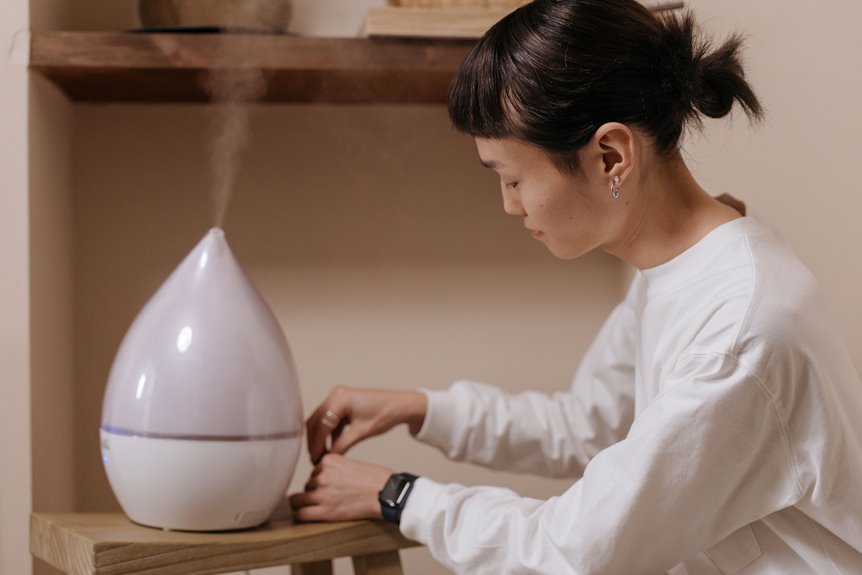
Can a Humidifier Help Indoor Plants Thrive?
Yes, a humidifier can help your indoor plants thrive, especially ferns, orchids, calatheas, and young seedlings that dislike dry air. Raising humidity to the 40 to 60 percent range that many tropical plants prefer can reduce leaf curl, brown tips, and thirsty-looking growth. The key is knowing which plants need higher humidity, where to place the humidifier, and remembering that humidity is only one part of healthy plant care.
Yes, a humidifier can help many indoor plants thrive. Tropical species such as ferns, orchids, calatheas, and young seedlings benefit from stable humidity around 40–60%. Adequate moisture reduces leaf curl, brown tips, and dry-looking growth. Placement near plant groups and monitoring levels boosts results, while humidity works alongside light and watering for healthy plants. Choosing the right humidifier and maintaining cleanliness keeps both plants and air quality healthy.
How Humidity Helps Houseplants
Humidity might seem like a small detail, but it could make a big difference in how your houseplants feel and grow.
Whenever the air is too dry, your plants lose water faster through their leaves. That extra loss can strain stomatal regulation, so leaves work harder to stay balanced. With steadier humidity, the air around the leaf holds more moisture, which lowers vapor pressure and helps slow water escape. You’ll often notice less curling, fewer crispy edges, and calmer growth.
This matters because your plants aren’t just surviving; they’re trying to settle in with you. Whenever humidity stays in a comfortable range, roots and leaves can share the load more easily. That support helps your plants keep growing with less stress and more confidence.
Which Houseplants Need a Humidifier Most?
Some houseplants simply ask for more from the air around them, and they’re the ones that benefit most from a humidifier.
You’ll usually want one for tropical terrariums, calatheas, ferns, orchids, peace lilies, and air plants, since they come from steamy places and feel at home when moisture stays steady.
Should your home feels dry in winter, these plants can look tired fast.
On the other hand, humidity tolerant hybrids and hardy choices like snake plants or ZZ plants usually cope just fine without extra help.
So you can focus your care where it matters most.
Whenever you give these sensitive plants richer air, you’re not pampering them. You’re helping them settle in, stretch out, and feel like they belong in your space.
How to Know Your Plants Need More Humidity
Whenever your plant begins looking a little unhappy, the air around it could be part of the problem. You might notice leaf curl, crispy edges, or leaves that droop even when the soil feels fine. These signs often mean your plant is losing water faster than it can replace it.
Watch for slow growth, tiny new leaves, or buds that fail to open, because dry air can trigger stomatal closure and limit normal function. Should several plants in the same room show the same stress, humidity might be too low for the whole group.
That doesn’t mean you’ve done anything wrong. It just means your plant community could need a gentler, moister atmosphere to feel at home.
Ideal Humidity Levels for Houseplants
For most houseplants, the sweet spot sits between 40% and 60% relative humidity, because that range gives them enough moisture in the air without making the room feel damp. You can regard it as a cozy middle ground where your plants don’t have to work so hard to stay hydrated.
Should you grow tropical favorites, aim closer to the upper end, since they often require extra support.
In winter, seasonal variation can push indoor air below 40%, so your plants could feel the stress fast. A hygrometer helps you check the real number, not just guess.
Whenever you keep humidity steady, you create ambient reservoirs of moisture around your plants, and that can help them settle in, stretch new leaves, and feel at home.
How to Use a Humidifier Safely for Houseplants
Place your humidifier in the same room as your houseplants, but keep it far enough away that leaves don’t stay wet.
Check humidity with a hygrometer so you can keep the air in a safe range, usually around 40% to 60%, without guessing.
Clean the unit often with distilled water whenever possible, because a tidy humidifier helps your plants breathe easier and keeps unwanted buildup away.
Choose Proper Placement
A humidifier works best whenever you give your plants steady moisture without soaking them, so smart placement really matters.
Put it in the same room, but not right beside the leaves. That room placement helps the mist spread gently and keeps water from sitting on foliage.
Next, consider airflow considerations so the moisture can move around the space instead of pooling in one corner. You want a spot with open air, a stable surface, and some distance from walls, curtains, and vents.
Should you crowd the unit, you can trap dampness and stress your plants. Also, keep the mist aimed toward the room, not straight at one pot. That way, your plant group feels cared for, and you help everyone breathe easier.
Monitor Humidity Levels
Keep an eye on the air, because humidity can change faster than you believe, especially while your heater or AC is running. You want to check a hygrometer often, since it tells you what your plants actually feel, not what the room seems like. Aim for about 40% to 60% for most houseplants, and watch closely should readings dip below 40%.
Seasonal variation matters too, because winter air often runs drier than summer air. In case your sensor calibration seems off, compare it with a second meter so you can trust the numbers. Then adjust the humidifier in small steps, giving your plants time to respond. Once the reading climbs above 65%, ease back a bit. That simple habit helps you protect your plant friends without guessing or overdoing it.
Clean Humidifier Regularly
Just as vital as the humidity you create, a clean humidifier helps your plants breathe easier and stay healthier. Whenever you skip cleaning, you can spread mold, slime, and minerals into the air your leaves sip. Keep a cleaning schedule so you rinse the tank, scrub parts, and dry them fully each week. Provided your unit has one, follow filter replacement steps on time, because a worn filter can’t do its job well. | Task | Whenever | Why |
| — | — | — |
|---|---|---|
| Empty tank | Daily | Stops stale water |
| Rinse parts | Every use | Cuts buildup |
| Deep clean | Weekly | Reduces mold |
| Check filter | Weekly | Catches wear |
| Replace filter | As directed | Keeps mist clean |
Use distilled water, and keep the unit away from crowded leaves. That way, you protect your plant crew and keep everyone thriving together.
When a Humidifier Won’t Fix Plant Problems
A humidifier can’t fix every plant problem, especially whenever you’re underwatering your plant or the soil won’t hold moisture well.
In case your plant still looks stressed, check the light initially, because too much sun or too little light can make leaves struggle no matter how humid the air feels.
You should also look at the soil, since poor drainage or compacted mix can keep roots from working the way they should.
Underwatering Causes
Sometimes the real problem is hiding in plain sight, and underwatering is one of the biggest reasons a plant still looks unhappy even though the room feels moist. You can run a humidifier all day, but in the event the soil moisture stays low, your plant still can’t drink enough.
Check the pot deeply, not just the top, because dry soil can hide below a damp surface. Look for curled leaves, crispy tips, and a pot that feels too light. Then water slowly until the mix is evenly damp, but not soggy, because you want roots to drink, not sit in root rot.
Should your plant perk up after watering, you’ve found the issue. A humidifier helps the air, but you still need to give your plant steady water at the roots.
Light And Soil Issues
Assuming your plant still looks tired after you fix the humidity, the next place to look is light and soil, because those two usually decide whether a plant can actually use the moisture it gets. If the room is too dim, you might notice weak growth and dull leaf coloration. If the sun is too harsh, leaves can scorch instead.
- Check light initially. Move the plant closer to bright, indirect light.
- Then examine the soil. Heavy, soggy mix can smother roots and block recovery.
- Make sure pot drainage works. Should water sit in the saucer, roots stay stressed.
When you match the light and the mix to the plant’s needs, humidity can finally help instead of doing all the work alone.
Other Ways to Raise Humidity Around Plants
Beyond a humidifier, you’ve got several practical ways to give your plants the moist air they crave, and the best part is that many of them work well together. Try a pebble tray, humidity domes, or grouping plants close so they share moisture. You can also move thirsty plants into a brighter bathroom or kitchen, where steam often gives them a small lift.
| Method | Best for | Watch for |
|---|---|---|
| Pebble tray | small pots | standing water |
| Humidity domes | seedlings | mold |
| Plant grouping | tropicals | crowding |
| Bathroom shelf | ferns | low light |
| Kitchen corner | orchids | heat swings |
These moves won’t replace a humidifier, but they can help you build a kinder, friendlier space for your leafy crew.
How to Keep Plant Humidity Consistent
After you’ve used pebble trays, plant groupings, or a bathroom shelf to help your plants, the next step is keeping that moisture steady from day to day. Use a hygrometer, then place your humidifier in the same room, not right beside leaves. That way, you build gentle humidity buffers instead of wet spots. Room zoning also helps you match your fern corner, orchid shelf, or calathea table to each plant’s needs.
- Run the humidifier for a few hours each morning.
- Keep doors closed whenever you can, so air doesn’t swing wildly.
- Check readings daily and adjust before leaves crisp.
Whenever you stay consistent, your plants feel safer, and you do too. That calm routine makes your space feel like a small, shared home.
Frequently Asked Questions
Can a Humidifier Damage Houseplants?
Yes, you can damage houseplants if you place a humidifier too close or run it too long, which raises the risk of overwatering and fungal growth. Keep it nearby, not on leaves, and monitor humidity with a hygrometer.
Should I Use a Cool Mist or Warm Mist Humidifier?
You can use either cool mist or warm mist; think of cool mist like a gentle rain and warm mist like a cozy cloud. Choose whichever suits your room, and keep humidity steady for your plants.
How Far Should a Humidifier Be From My Plants?
Place the humidifier a few feet from your plants so it does not spray mist directly on the leaves, allowing the airflow to disperse moisture gently and keep your plants healthy.
Do Humidifiers Help Seedlings and Cuttings?
Yes, humidifiers can help seedlings and cuttings by easing leaf transpiration and creating gentler humidity gradients. You will keep tender tissues from drying out, so they root and establish more confidently with less stress.
Can I Use Tap Water in a Plant Humidifier?
Yes, you can use tap water, but you will risk mineral buildup and possible chlorine effects. For happier plants and a cleaner humidifier, you will do better with distilled or filtered water if you can.

