Book Appointment Now

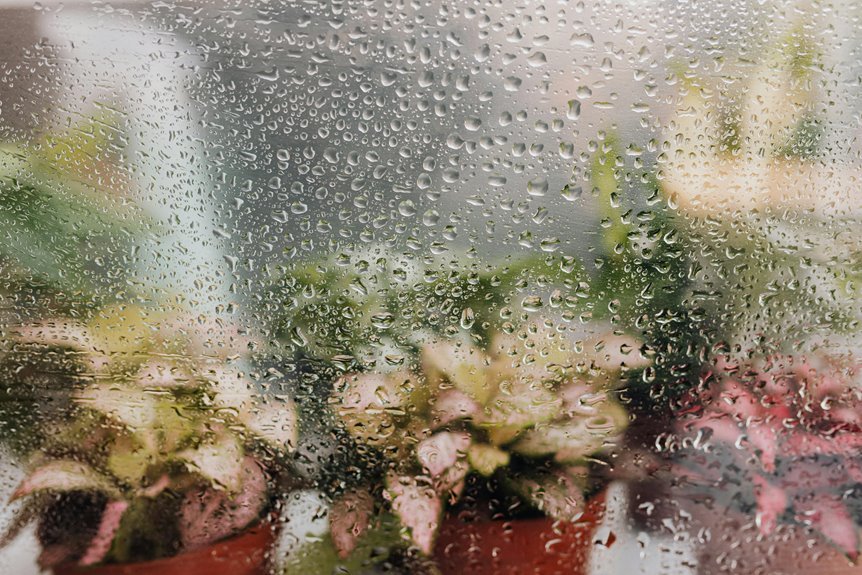
Best Humidity Level for Indoor Plants
Most houseplants prefer moderate humidity rather than very dry air. Aim for about 40% to 60% relative humidity, with 50% a reliable target for many species. Tropical plants like higher humidity and succulents tolerate lower levels. Watch for curling, browning edges, or slow growth as signals that humidity needs adjusting. Small changes such as grouping plants or using a humidifier help correct humidity without major effort.
Best Humidity Levels for Indoor Plants
The sweet spot for most indoor plants is usually 40% to 60% relative humidity, with 50% as a handy middle ground provided you want a simple target.
You don’t need to chase perfection; you just need a range that helps your plants feel at home with you. Most common houseplants stay comfortable there, while tougher types can handle the lower end and tropical favorites often enjoy the higher end.
Should your home shifts with heat or dry air, use microclimate mapping to find the coziest spots near grouped plants or a bathroom shelf. Then make seasonal adjustments whenever winter heat or summer dryness changes the air.
A hygrometer helps you check your space, so you can keep your plant crew settled without guesswork.
Signs Your Indoor Plants Need More Humidity
Should your indoor plants have crispy leaf edges, drooping leaves, or slow new growth, they could be telling you the air is too dry.
You could also notice the damage initially on thin or tropical leaves, since they lose moisture faster.
Once you spot these signs sooner, you can raise the humidity before your plant starts to struggle more.
Crispy Leaf Edges
Whenever you notice those brittle tips, you’re seeing leaf dehydration and cuticle damage at work. The plant loses moisture faster than it can replace it, so the edges dry out initially.
You could see brown, papery margins on ferns, calatheas, or pothos, and that’s your plant asking for a kinder room. To help, move it away from heaters, group it with friends, and use a humidifier or pebble tray.
These small changes create a steadier microclimate, so your plant feels safer, fresher, and more at home.
Drooping Foliage
Drooping leaves often show up right alongside crispy edges, and they can tell you your plant is running low on moisture in the air.
You’ll notice the leaves soften, sag, or hang lower than usual, even though the soil still feels damp. That’s your cue to check humidity before you fault yourself for the watering timing.
Dry air can pull moisture from broad leaves fast, especially near heaters or vents. Should the pot be packed tight from soil compaction, roots might struggle too, but drooping from low humidity usually looks more widespread and gentle.
You can help through grouping plants, using a humidifier, or moving them to a kinder corner. Once the air feels steadier, your plant often lifts its leaves with relief, like it finally found its little plant crowd.
Slow Growth Signals
Slow growth can be one of the quietest signs that your indoor plant needs more humidity. You might notice new leaves taking forever, smaller shoots, or buds that stall. Dry air slows water loss control, so the plant saves energy instead of stretching. That can look like nutrient deficiency, even though your feeding is fine. It also hurts root respiration, which weakens growth from below.
| What you see | What it might mean |
|---|---|
| Tiny new leaves | Low humidity stress |
| Slow stem length | Moisture imbalance |
| Pale growth | Not always nutrient deficiency |
| Weak roots | Poor root respiration |
If your plant sits near a vent or heater, move it. Then group it with friends or use a humidifier. You’ll help it grow with less strain and more confidence.
Humidity Needs by Houseplant Type
As soon as you match humidity to the kind of houseplant you own, you make care much easier and a lot less stressful. You can consider in tropical vs. temperate terms: succulents and cacti like drier air, while ferns and calatheas want a wetter feel.
That fit also helps your soil moisture stay steadier, so roots don’t swing between thirsty and soggy.
- Cacti and succulents feel best around 30% to 40% RH.
- Snake plants and pothos usually settle into 40% to 50% RH.
- Monsteras, peace lilies, and orchids often want 50% to 60% RH.
- Ferns, alocasias, and anthuriums thrive closer to 60% to 70% RH.
When you group plants with similar needs, you create a little plant family, and they’ll usually reward you with calmer, healthier growth.
How to Measure Humidity for Plants
To measure humidity for your plants, start with a simple hygrometer, because it gives you a clear reading instead of a guess.
Place it near your plants, but not touching leaves or sitting beside a window, vent, or heater. Check it at the same time each day, so you spot real patterns.
Should your meter have sensor calibration, follow the manual and assess it against another device whenever numbers look odd. That extra step keeps you from chasing a ghost reading.
You can also watch dew point, which helps you understand whenever air feels too dry or too damp.
With steady checks, you’ll know whether your plant crew is residing in the comfort zone they need.
How to Raise Humidity Indoors
You can start by setting your plants on pebble trays, which lift moisture around them as water slowly evaporates.
Grouping your plants together also helps, since they share a small pocket of humid air and make the room feel a little kinder to thirsty leaves.
These simple moves work once you want an uplift without turning your whole home into a rainforest.
Pebble Tray Methods
Pebble trays can give your plants a small lift whenever the air feels dry, and they do it without much fuss. You set a shallow tray under the pot, add water below the stones, and let capillary action do the quiet work. For a tidy look, choose decorative pebbles and use tray liners that protect shelves from drips.
- Keep the water level below the pebble tops.
- Place the pot on the stones, not in water.
- Check seasonal maintenance every week, since warm rooms dry faster.
- Refill and rinse whenever dust builds up.
This method won’t replace a humidifier, but it helps you care for your leafy crew in a simple, neighborly way.
Grouping Plants Together
Whenever your home feels a little dry, grouping plants together can give them a gentle humidity lift without much effort. You help each plant share moisture through its leaves, so the air stays friendlier around them. Place your thirstier plants close, and let their pots touch lightly provided you can. That small setup creates microclimate pockets that feel safer for ferns, pothos, and other leafy companions.
Then use vertical clustering by placing taller plants behind shorter ones, which slows drying and keeps the space cozy. You can also tuck plants near a bright shelf or corner, where they’ll support each other better. Just check that air still moves a little, because your plant friends need comfort, not a crowded hug.
Common Humidity Mistakes to Avoid
One of the easiest humidity mistakes is chasing a number without considering about the plant’s real needs, because not every houseplant wants the same air conditions. You can aim for 40% to 60% RH, but your plant might want more or less, and that’s okay.
- Don’t mist every day. It fades fast and can raise overwatering risk for soil.
- Don’t place plants next to a heater or bad vent placement, since moving air dries leaves quickly.
- Don’t turn one wet corner into a fix for every plant. Succulents and ferns don’t belong in the same crowd.
- Don’t guess. Check with a hygrometer and watch leaf tips, because your plant could tell the story.
When you match humidity to the plant, you help your indoor space feel kinder and calmer.
How to Keep Humidity Steady Year-Round
Keeping humidity steady year-round takes a little planning, but it doesn’t have to feel like a guessing game. You can build a cozy routine that helps your plants feel at home.
In winter, run a humidifier, group pots together, and keep them away from heaters and drafty vents. During warmer months, watch seasonal ventilation, because open windows and fans can dry the air fast.
Check soil moisture often, since dry soil makes low humidity feel worse for roots and leaves. A small hygrometer helps you track changes before plants show stress.
Should one corner stays drier, create a simple plant cluster there so everyone shares moisture. With these steady habits, you’ll support your plants through every season without extra fuss.
Frequently Asked Questions
Can Humidity Affect Pest Problems on Indoor Plants?
Yes, humidity can affect pest problems on your indoor plants. Higher humidity can increase pest prevalence and fungal growth, while very dry air stresses leaves. You should maintain balanced airflow and moisture and perform regular checks.
Does Nighttime Humidity Matter More Than Daytime Humidity?
No, you usually do not need nighttime humidity to matter more than daytime; your plants ride the sunlit rhythm, and leaf transpiration plus stomatal behavior mostly respond to daytime dryness, so keep levels steady for everyone.
Should Plant Humidity Change During Winter?
Yes, you should adjust humidity during winter care, because heater dryness can drop indoor moisture fast. You will want to keep it a bit higher, group plants together, and use a humidifier for happier, healthier leaves.
Are Bathroom Humidity Levels Good for Houseplants?
Yes, bathroom humidity can be great for houseplants, with lush air in some rooms and dry conditions in others. You’ll want humidity sensors to verify levels, since bathroom aesthetics don’t always match plant needs. Ferns and tropicals thrive, while succulents usually will not.
Do Terrariums Need Different Humidity Than Regular Pots?
Yes, terrariums usually need higher humidity than regular pots, especially closed terrariums, because airflow control traps moisture. You will give tropical plants a steadier, more sheltered microclimate, while open pots dry out faster.
