Book Appointment Now

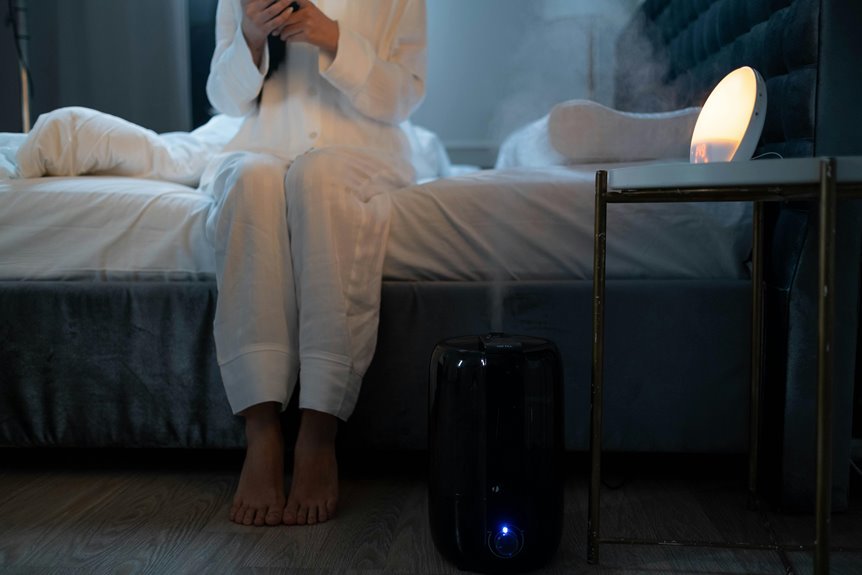
Benefits of Using a Humidifier in Your Home
Dry indoor air affects nearly 90% of homes and shows up quickly in dry skin, rough sleep, and creaky furniture. A humidifier restores comfortable moisture levels, so throats and nasal passages feel less irritated and rooms feel warmer without raising the thermostat. Proper humidity helps preserve wood and finish, reducing cracking and warping during cold months. Modern humidifiers also improve bedroom air quality for better rest. Choosing the right model and maintaining it keeps benefits consistent and protects household surfaces and personal comfort.
What a Humidifier Does for Your Home
A humidifier changes the air in your home via adding moisture, and that small shift can make a big difference in how you feel day to day.
Whenever the air gets too dry, you might notice your rooms feel harsher and less inviting. Through raising moisture levels, you can improve air quality and make shared spaces feel calmer and more welcoming.
That extra balance can also support energy efficiency, since warmer, moister air often feels cozier without pushing your thermostat higher.
In winter, this matters even more because dry heat can leave your home feeling rough and stale. A humidifier helps your space hold comfort better, so you and your family can relax, breathe easier, and enjoy a home that feels more lived in and cared for.
How Humidifiers Help Dry Skin and Breathing
Whenever the air in your home feels dry, your skin can start to itch, crack, and feel tight, and a humidifier can add the moisture it needs to feel more comfortable.
It can also help keep your nose and throat from drying out, so you might breathe easier at night. With less dryness in the air, you could notice less irritation in your airways, which can make sleep feel calmer and more restful.
Skin Hydration Relief
Dry skin can creep in fast, and it often shows up as tight cheeks, flaky patches, chapped lips, or even itchy spots that won’t leave you alone. Whenever you bring more moisture into your room, you help your skin hold onto water and feel calmer. That makes your hydration skincare routine work better, and it can make lip balm last longer too.
| Benefit | What You Notice | Why It Helps |
|---|---|---|
| Softer skin | Less tightness | Air stays kinder |
| Chapped lips | Smoother feel | Moisture supports healing |
| Less itch | Fewer rough spots | Skin keeps water better |
Easier Breathing At Night
Nighttime breathing can feel a lot easier whenever the air in your room has the right amount of moisture. Whenever you keep bedroom humidity balanced, your nose and throat stay less dry, so you can settle in with less tossing and turning. A humidifier adds gentle nasal humidification that helps the air you breathe feel softer and more comfortable. That matters whenever winter heat makes your room feel harsh and sleepy.
You might also wake up with a less parched mouth, which can make mornings feel kinder. Should your family share the same space, everyone can enjoy the same cozy air together. With steady moisture, you create a calmer sleep setting that supports easier breathing and a more rested feeling until dawn.
Soothing Dry Airway Irritation
That same cozy bedroom air can do more than help you sleep better, because it can also calm the dry, scratchy feeling that shows up in your nose, throat, skin, and even your lips. Whenever you add moisture, you help your airway stay lined with comfort instead of harshness.
That moisture supports mucociliary clearance, so your body can move mucus along more easily and keep your breathing passages cleaner. It also reduces airway cooling, which can trigger that tight, irritated feeling whenever winter air hits you.
At the same time, humid air softens chapped lips and itchy skin, so you feel more like yourself. With a balanced room, you can breathe easier, cough less, and feel a little more cared for in your own home.
Why Humidifiers Can Improve Sleep
A humidifier can make a real difference while you sleep because it helps your nose, throat, and airways stay comfortably moist.
If the air is too dry, you might wake up coughing, sniffling, or feeling scratchy.
With better circadian humidity, your bedroom feels calmer, and your body can settle into rest without as much effort.
That can lower REM disruption and help you stay asleep longer.
- You might breathe more easily through the night.
- Dry throat irritation can feel less intense.
- Snoring and coughing might bother you less.
How Humidifiers Protect Wood and Furniture
Humidity can quietly protect your wood furniture via keeping the air from pulling too much moisture out of it. Whenever your home stays balanced, you help reduce wood swelling and guard against furniture cracking.
Dry indoor air can make tables, chairs, and cabinets shrink, then split or loosen at the joints. With steady moisture in the air, your pieces stay more stable, and their surfaces keep looking cared for.
You also support finishes, since brittle varnish and polished layers can react badly to harsh dryness. That means your shelves, frames, and heirlooms can keep their shape and feel at home with you.
In winter, this small change could make your rooms feel kinder, and your furniture can age with less stress, right alongside you.
How to Choose the Right Humidifier
So, how do you pick the humidifier that actually fits your home and not just the one with the nicest box? Start with your room size, because a small unit can’t keep up in a big bedroom, and a huge one could feel like too much in a tight space.
Then consider energy efficiency, since you want comfort without watching your bills climb.
- Check noise levels provided you’re planning to use it at night.
- Choose a model that matches your daily routine and cleaning habits.
- Look for controls that help you adjust moisture without guesswork.
You’ll feel better once the fit feels personal, because the right choice blends into your home instead of fighting it. That way, you get steady comfort and a space that feels cared for.
How to Use a Humidifier Safely
To use your humidifier safely, place it where moisture can spread evenly without soaking walls, furniture, or bedding.
You should also clean it often so mold, bacteria, and mineral buildup don’t get blown back into your air.
Whenever you keep the placement smart and the care routine steady, you make the comfort last and the risks stay low.
Proper Placement Tips
Once you place a humidifier in the right spot, it works better and keeps you safer, too. Put it on a flat surface a few feet from your bed or couch, so the mist can spread evenly where you relax most. Keep it near window space only provided airflow helps, and avoid obstacles like curtains, books, and walls that can trap moisture.
- Set it up where kids and pets can’t bump it.
- Aim mist toward open space, not straight at furniture.
- Leave room around it for steady air movement.
When you share a room with others, this setup helps everyone breathe easier without extra damp spots. You’ll also keep the air feeling balanced, which can calm dry throats and tight noses. A smart placement makes your humidifier feel like part of the home team, not a hazard.
Cleaning and Maintenance
A good spot helps your humidifier work well, but clean care keeps it safe for everyday use.
You should empty the tank each day and dry it before refilling. That simple habit helps stop mineral buildup and keeps the mist fresh.
Next, wash the tank and base with mild soap and warm water every few days, so germs don’t settle in.
You also need to check filter maintenance on schedule, since a worn filter can block clean airflow and add extra dampness inside the unit.
Should you see white dust or smell something musty, clean it right away.
Then refill with fresh water, and keep following the maker’s steps.
With steady care, you protect your home and breathe easier together.
Frequently Asked Questions
How Does Indoor Humidity Affect Airborne Virus Survival?
Higher humidity shortens virus longevity by slowing droplet evaporation, so you are less likely to breathe in lingering particles. Dry air does the opposite and helps viruses survive longer and spread more easily among people like you.
Can Humidifiers Help Reduce Static Electricity in Winter?
Yes — you can reduce static electricity in winter with a humidifier. It adds moisture, supports static reduction, and helps stop fabric cling, so your clothes and home feel more comfortable, calm, and welcoming.
Do Humidifiers Lower Heating Costs in Cold Months?
Yes, you can lower heating costs in cold months because added humidity lets you feel warmer at lower settings. You’ll improve energy efficiency, ease furnace strain, and keep your home cozier with less wasted heat.
What Humidity Level Is Best for Overall Home Comfort?
You’ll feel best keeping your home in the ideal range of 40% to 50% humidity. That level supports respiratory comfort, eases dryness, and helps your space feel cozy, inviting, and naturally welcoming for everyone.
Can Humidifiers Help Keep Houseplants Healthier?
Yes, you can give your plants a gentler world with a humidifier. It helps mist propagation, especially for tropical foliage, easing dry air strain so your leafy companions feel more at home and stay happier.
