Book Appointment Now

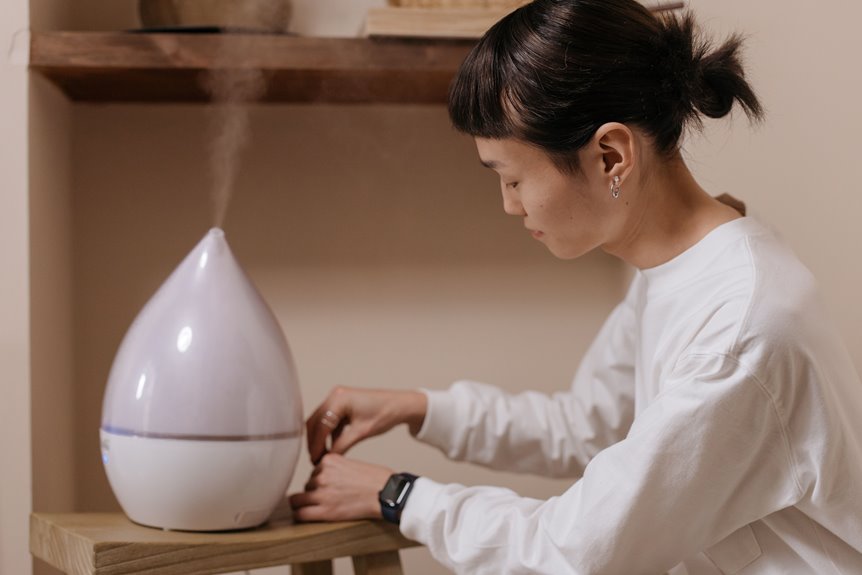
Why Humidity Matters for Indoor Comfort
Humidity affects how comfortable a room feels, how skin and nasal passages behave, and how easily people sleep. Ideal indoor humidity sits around 30–50 percent for comfort and health. Low humidity dries skin, irritates airways, and can damage wood and electronics. High humidity makes air feel heavy, promotes mold and dust mite growth, and can worsen allergies. Paying attention to indoor moisture levels helps maintain comfort, protect belongings, and support better respiratory health.
What Is Indoor Humidity?
Indoor humidity is the amount of water vapor floating in the air inside your home, and it can quietly shape how your space feels every day. You notice it most whenever the air feels sticky, dry, or just plain off. That’s where measurement methods help you stop guessing and start appreciating. A hygrometer or smart thermostat can show you the relative humidity, so you can read your room with confidence.
Seasonal variation also matters, because winter air often runs drier while summer air holds more moisture. Whenever you understand these changes, you can better match your home to your needs and feel more at ease. In a place that should support you, this simple number helps you stay aware, comfortable, and connected to your space.
Ideal Indoor Humidity Levels
When you want your home to feel truly comfortable, aim for relative humidity that stays near 40% to 60%. That range usually helps you fit in with a space that feels calm, fresh, and easy to enjoy.
In winter, lower seasonal targets around 30% to 40% can help provided outdoor air is very dry. In summer, you might need to stay closer to 40% to 50% to keep the air balanced and reduce energy impacts from extra cooling.
You can check levels with a simple hygrometer, then adjust with a humidifier, dehumidifier, or fan use. Small changes matter, because steady humidity helps your rooms feel more even day to day, so you can relax without guessing.
Why Indoor Humidity Affects Comfort
Whenever indoor air holds the right amount of moisture, your body can cool itself more easily, so the room feels more comfortable at the same temperature.
Should the air be too dry, you might notice dry skin, irritated eyes, and a scratchy throat that make comfort slip fast.
Humidity also changes how fresh the air feels, since very damp or very dry rooms can leave you feeling off even before you notice why.
Moisture And Body Temperature
Your body relies on sweat to stay cool, and humidity can render that job much harder.
Whenever the air already holds a lot of moisture, your sweat doesn’t leave your skin as quickly, so sweat evaporation slows down. As a result, your body keeps more heat, and the room can feel warmer than the thermostat says.
That shift changes thermal perception, so you might feel sticky, tired, or a little out of sync with everyone else in the space.
Whenever humidity stays in a moderate range, your body can release heat more naturally, and you usually feel steadier and more at ease. That’s why balanced indoor moisture helps you feel like you belong in your own home.
Dry Air Discomfort
Dry air can sneak up on you and make a room feel less comfortable than it should. You might notice tight skin, scratchy eyes, or a throat that feels tired come evening.
Whenever humidity drops too low, your body loses moisture faster, so you can feel uneasy even though the thermostat says the room is warm enough. Small choices can help. Check humidifier placement so the mist spreads evenly, not just near one corner.
Also, indoor plants can add a gentle touch of moisture while making your space feel calmer and more lived in. Together, these steps help you feel more settled, especially throughout winter heat or constant air conditioning dries out the air and leaves your home feeling a little too crisp.
Humidity And Air Quality
A room can feel off even before you notice the cause, and humidity is often the quiet reason. Whenever the air stays balanced, you breathe easier and the space feels more welcoming.
But in case it’s too damp, airborne pollutants can linger longer, and that stale feeling can spread fast. Moist air also helps mold and dust mites grow, which can make you feel stuffy or uneasy.
On the other hand, very dry air can let particles float around more freely and irritate your nose and throat. Even building materials can release stronger odors whenever humidity shifts too much.
Signs Your Home Is Too Dry
Should your home feel too dry, you could notice your skin and lips getting tight, flaky, or sore. You could also get more static shocks than usual, which can make every doorknob feel a little rude.
Over time, dry air can also make wood shrink and paint crack, so your rooms can start showing the strain too.
Dry Skin And Lips
Notice the little signs your body sends whenever indoor air gets too dry. Your skin might feel tight, itchy, or flaky, and your lips can split before you even notice the room feels off.
Whenever that happens, give yourself gentle hydration reminders throughout the day, and keep a glass of water nearby. You can also add a plain moisturizer after washing, then use simple product recommendations like fragrance-free balm or cream to protect sore spots.
These small habits help you stay comfortable and feel more at home in your space. In case your skin still feels rough, check the humidity in your room. Dry air often asks your body to work harder, so a little moisture can bring real relief without much effort.
Static Shock Spikes
Zap goes the doorknob, and your hair stands up like it has its own opinion. That sudden snap is a clue that your air feels too dry. Whenever humidity drops, static electricity builds fast, so you notice shocks after carpet shuffling, touching metal, or pulling off a sweater. You don’t need to guess what’s happening. Your home is telling you.
You might also feel other little annoyances at the same time, like fabrics clinging and surprises from everyday touch. These moments can make your space feel less calm and less welcoming. Fortunately, you can change that. Start checking your indoor humidity with a simple meter, then aim for a steadier range. A little moisture in the air could help you and the people around you feel more comfortable, more settled, and less on edge.
Cracked Wood And Paint
Dry air can quietly wear on your home, and the initial signs often show up in wood and paint. You might notice baseboards split, cabinet doors twist, or trim pull away at the seams.
Then paint can curl, chip, or show finish delamination near windows and vents. This happens because low humidity lets wood shrink fast, and seasonal expansion can’t keep up.
As the material moves, small gaps form and stress builds. You’re not doing anything wrong, and your home isn’t failing all at once. It’s just asking for steadier moisture.
Should you catch these cracks early on, you can protect the surfaces you love and keep each room feeling cared for, calm, and lived in.
Signs Your Home Is Too Humid
Most of the time, a too-humid home gives you clues before it becomes a bigger problem. You could notice a musty odor that hangs in rooms, especially after rain or showers. You might also see paint blistering, peeling wallpaper, or condensation on windows in the morning.
Should your clothes feel damp, your sheets stay sticky, or your basement seems clammy, the air likely holds too much moisture. You can even spot foggy glass, swollen door frames, or mildew in corners and around vents.
These signs often show up together, so trust your senses. Once your home feels heavy and your space won’t dry out, that’s your cue to act fast and bring back a fresher, more comfortable place to live.
How Dry Air Affects Your Health
Dry indoor air can leave your skin feeling tight, flaky, and itchy, and it can make your eyes sting or water more than usual.
It can also dry out your nose and throat, so you might notice more coughing, congestion, or scratchiness whenever you breathe.
Over time, that dryness can make it easier for germs to bother you, so keeping humidity in a healthy range can help you feel better and stay more comfortable.
Skin and Eye Irritation
In case indoor air loses too much moisture, your skin and eyes often feel it initially.
You could notice tight skin, rough patches, or a little sting whenever you blink.
Dry air weakens barrier integrity, so your skin can’t hold moisture as well.
It can also lower ocular comfort, leaving your eyes tired and scratchy after screen time or a long day at home.
- You may reach for lotion more often.
- Your eyes might feel gritty in a warm room.
- A gentle humidifier can help your space feel kinder.
- Moderate humidity helps you feel like you belong in your own home.
Whenever the air stays balanced, your face feels calmer, and daily life gets easier.
Respiratory Discomfort Risks
Whenever your skin and eyes start feeling dry, your breathing can feel it too, because the same air that pulls moisture from your face can also irritate your nose, throat, and lungs.
Whenever indoor air stays too dry, you might notice a scratchy throat, tighter breathing, or a dry cough that seems to hang around. That happens because low humidity reduces mucosal hydration, and your airways work best when those tissues stay moist and protected. It can also make indoor pathogens and dust feel more irritating, which leaves you uneasy in your own space.
You deserve air that supports you, not air that wears you down. So provided your room feels harsh, your body could be asking for a little more moisture and care.
Increased Infection Susceptibility
Whenever the air in your home gets too dry, your body has a harder time defending itself from germs. Dry air can weaken your mucosal immunity, so your nose and throat might trap fewer viruses and bacteria.
It can also raise surface survivability, letting germs linger longer on counters, handles, and shared items. That means the air around you and the things you touch can work against your comfort.
- Your throat could feel scratchy and less protected.
- Tiny nasal defenses can dry out fast.
- Germs might stay active on dry surfaces longer.
- You might feel like everyone around you is getting sick.
Whenever you keep humidity in a healthy range, you help your body stay ready. And that can make your home feel more like the safe, shared space you want it to be.
How Humidity Affects Sleep and Breathing
As your bedroom air sits in the right humidity range, sleep often feels easier because your body can breathe, cool down, and relax without extra strain. You could notice less mouth dryness, fewer scratchy throats, and calmer sinuses, which helps your breathing stay steady through the night.
Whenever air is too dry, your nose loses nasal humidification, and that can leave you sniffling, coughing, or waking up tired. You might also get more REM disruption, since discomfort can nudge you out of deeper rest.
On the other hand, balanced humidity supports smoother airflow, so you can settle in with less effort. That small change can make your room feel more like a place where you belong, and your body can finally rest like it should.
Why Humidity Makes Rooms Feel Warmer or Cooler
Whenever the air gets more humid, your body has a harder time cooling itself, so the room can feel warmer even though the thermostat never changes.
That shift changes your thermal perception fast. Once sweat doesn’t evaporate well, you hold more heat, and the space feels sticky instead of calm.
- You might notice your shirt clings after a short walk.
- A gentle fan can help through enhancing air movement.
- Dry air can make the same room feel cooler.
- In comfort zones, small changes matter a lot.
How Humidity Protects Furniture and Wood
Keep your home’s humidity in a steady middle range, and your furniture will thank you. You help wood stay calmer whenever the air isn’t too dry or too damp.
That matters because wood naturally changes size with moisture, and too much swing can cause grain movement, which could lead to gaps, cracks, or sticky joints. Whenever you keep conditions steady, tables, chairs, and cabinets keep their shape better and feel more solid in daily use.
You also support finish longevity, since a balanced room puts less stress on varnish and paint. So, whenever you walk through your home, you’re helping each wooden piece age with dignity, not drama. Your space feels more cared for, and your furniture feels like it belongs there too.
How to Control Indoor Humidity
Start by treating indoor humidity like a quiet thermostat partner, because it shapes comfort even though the temperature looks fine.
You can keep it steady by tracking relative humidity with a hygrometer, then aiming near 40% to 60%.
Use smart ventilation in kitchens and bathrooms, since steam builds fast and guests notice stuffy air before you do.
- Run exhaust fans while cooking or showering.
- Open windows whenever outdoor air feels drier and mild.
- Seal leaks so damp air doesn’t sneak in.
- Do seasonal maintenance on filters, vents, and attic spaces.
Once you pair fresh air with small fixes, your home feels calmer and more welcoming.
That balance helps you breathe easier, avoid sticky rooms, and feel like you belong in your own space.
When to Use a Humidifier or Dehumidifier
A humidifier helps as the air feels too dry, and a dehumidifier helps while moisture makes the room feel heavy or sticky.
You should use a humidifier in winter, whenever heat strips moisture from the air and your skin, throat, and eyes start to complain. You should reach for a dehumidifier in warm, damp months, especially whenever windows fog or the room smells musty.
This seasonal maintenance keeps your space comfortable and supports the people you live with. It also protects energy impacts, because balanced air lets you feel good without cranking the thermostat.
Should you notice coughs, dryness, or that clammy feeling, trust those clues. Your home can feel like your crew again whenever the air matches the season.
How to Keep Indoor Humidity Balanced
Balancing indoor humidity takes a little attention, but it’s easier than it sounds. You can start by watching your hygrometer and aiming for 40% to 50% RH. Then make seasonal adjustments, since winter air often gets drier and summer air can turn sticky fast.
Use exhaust fans whenever you cook or shower, and crack a window whenever weather allows. Should the air feel dry, add a humidifier near shared spaces. Should it feel damp, run a dehumidifier and fix leaks quickly.
- Choose plant selection wisely, because some plants add moisture.
- Keep windows from fogging over.
- Seal drafts to steady comfort.
- Wipe spills and dry wet towels.
These small habits help you feel at home and keep your space comfortable for everyone.
Frequently Asked Questions
Can Humidity Affect How Efficiently My HVAC System Runs?
Yes, humidity can affect how efficiently your HVAC system runs. When you keep humidity balanced, you improve system efficiency, lower energy costs, and make your home feel more comfortable, so the system does not have to work as hard.
Why Does Condensation Form on Windows in Winter?
Your warm, moist indoor air hits the cold window, cools quickly, and releases water as window fogging or glass sweating. You will see droplets whenever your room’s humidity stays too high for winter glass.
Does Indoor Humidity Influence Mold Growth and Allergens?
Yes, it absolutely does. When you keep indoor humidity in check, you support mold prevention and reduce allergen proliferation, helping your home feel healthier and more comfortable for everyone who lives there.
How Can I Measure Indoor Humidity Accurately?
You can measure indoor humidity accurately with digital hygrometers; place one in each room and compare readings. Do not rely on infrared sensors alone because they track surfaces not air moisture. Check them often, and you will feel more comfortable.
What Causes Humidity Levels to Change Throughout the Day?
Humidity shifts like a tide because outdoor ventilation, human activities, weather, and temperature swings keep changing moisture levels. You will notice showers, cooking, breathing, and open windows can nudge your home’s air from dry to damp.
