Book Appointment Now

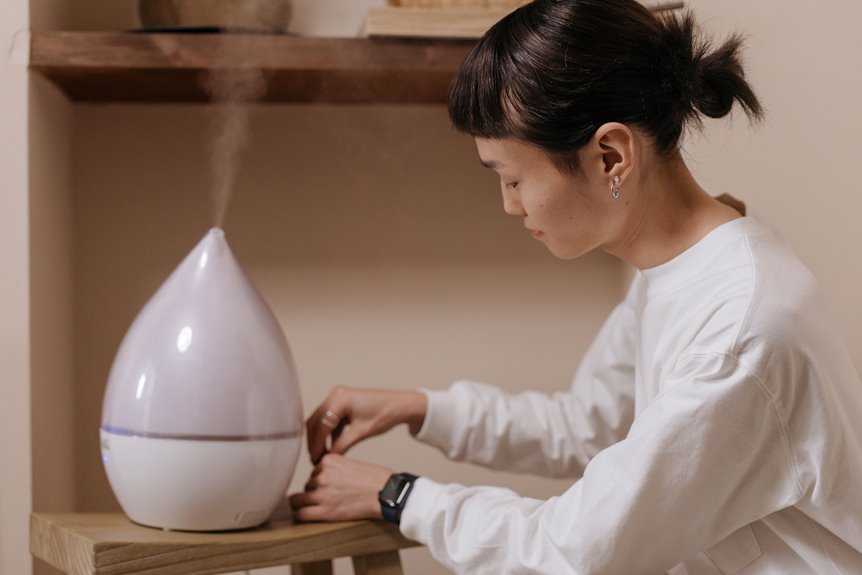
Warm Mist vs Cool Mist Humidifier
Warm-mist humidifiers heat water to release warm steam that soothes dry throats and can slightly raise room temperature. Cool-mist humidifiers disperse a fine, cool vapor that covers larger areas and uses less electricity. Warm mist helps reduce some bacteria and mineral particles through boiling. Cool mist is safer around children and pets and often needs less frequent refilling. Choosing between them depends on room size, household members, and seasonal needs.
What Is a Warm Mist Humidifier?
You might like it whenever you want gentle comfort in a chilly space, because the warm vapor can feel soothing and familiar.
It works through a small boiler, so boiler maintenance matters in case you want steady performance and fewer surprises.
You’ll also notice that mineral emissions can build up over time, especially in case your water has hard minerals. That’s why regular cleaning helps keep the mist cleaner and the unit running well.
Whenever you care for it, you create a calmer room that feels easier to breathe in and easier to share with everyone nearby.
How Cool Mist Humidifiers Work
Cool mist humidifiers break water into tiny droplets and send that moisture into the air without heating it initially, so they feel simple and safe to use in many homes.
You usually get that effect in one of two ways. An ultrasonic mechanism uses fast vibration to shake water into a fine mist, which drifts out quietly and helps your room feel more comfortable.
An evaporative model pulls air through a wet wick, so wick maintenance matters because a clean filter keeps airflow steady and helps you avoid buildup.
Whenever you care for the tank and parts, you make the unit work better and fit your home’s rhythm. In that way, you can breathe easier and feel like your space is looking out for you too.
Warm Mist vs. Cool Mist: What’s the Difference?
Now that you know how a cool mist humidifier sends moisture into the air, it helps to compare it with warm mist, because the right choice can make your room feel better fast. Cool mist works well in larger spaces and warmer seasons, while warm mist often feels nicer in winter or smaller rooms. You’ll also notice different maintenance challenges, since both need regular cleaning, but warm mist can leave less worry about airborne droplets.
| Type | Best Fit | Key Remark |
|---|---|---|
| Cool mist | Bigger rooms | Safer around kids |
| Cool mist | Warm weather | Uses less energy |
| Warm mist | Small rooms | Feels cozy |
| Warm mist | Cold seasons | Quieter operation |
| Both | Everyday use | Clean often |
Best Humidifier for Colds
Whenever you’ve got a cold, the right humidifier can make your room feel much easier to breathe in, and that small comfort can mean a lot whenever you’re stuffy and worn out.
For colds, you’ll often feel best with warm mist because it can soothe your throat and chest in a cozy way. In case you like extra relief, try saline inhalation initially, then allow the humidifier keep the air gentle around you. Herbal steam can also feel comforting, especially whenever your nose feels blocked.
Still, you don’t need fancy tricks to feel cared for. Choose the model that fits your room and your routine, and keep the moisture steady, not heavy. That way, you can rest easier, breathe a little better, and feel less alone while your body does the hard work.
Warm Mist vs. Cool Mist: Safety, Noise, and Energy Use
As you compare warm mist and cool mist humidifiers, safety is usually the initial thing you should consider about. Cool mist is safer around kids and pets because it doesn’t use hot water, while warm mist can feel quieter and more soothing in a small room.
You’ll also notice a difference in energy use, since warm mist models need more power to heat water, and that can nudge your electric bill a bit higher.
Safety Considerations
Safety matters most because the right humidifier should help your home feel better, not create a new worry.
You can choose cool mist when you have kids or pets, since it skips hot water and steam burn risk. Still, you should use childproof placement, keeping the unit on a stable surface and away from curious hands.
Warm mist can feel comforting, but you need extra care around bedrooms and play areas because spills can sting.
No matter which style you pick, filter maintenance and regular cleaning matter, because buildup can affect safety and air quality.
Should you keep humidity in check and follow the maker’s directions, you can protect your space and enjoy the comfort you wanted.
Noise Level Differences
Most often, noise level becomes the deciding factor once you’ve narrowed things down between warm mist and cool mist humidifiers. Should you want quiet comfort, warm mist usually fits better because it runs without a fan, so you might only hear a soft bubbling sound.
Cool mist models can be calm too, but evaporative units often add fan noise that hums through the room. Ultrasonic models skip the fan, yet you could notice a faint ultrasonic hiss or a light misting buzz. That sound is usually small, but in a silent bedroom, you’ll hear it. So, when sharing space, trying to sleep, or helping a child rest, choose the one that matches your comfort with background sound. Silence can feel like a small gift.
Energy Consumption Comparison
Provided that quiet matters to you, the next question is often how much power each humidifier uses, because that can shape both your comfort and your electric bill. Cool mist units usually keep the lower power draw, so your operational costs stay lighter over time.
| Type | Energy Use |
|---|---|
| Cool mist | Lower |
| Warm mist | Higher |
| Best fit | Daily use savings |
| Tradeoff | Heat for power |
You’ll usually notice the difference after a few weeks, especially assuming you run the unit every night. Warm mist models need extra electricity to heat water, so they work a bit harder, even whenever the room feels cozy. Cool mist models sip power more gently, which helps you feel like you’re making a smart, shared choice for your home. Should you want savings and steady use, cool mist often fits better.
Best Humidifier for Babies and Kids
As you’re choosing a humidifier for your baby’s room, safety should come initially, so a cool mist model usually gives you peace of mind. It adds moisture without hot water or steam, which helps lower the risk of burns around curious little hands.
For kids, aim for gentle humidity that keeps the room comfortable without making it feel damp or stuffy.
Baby Room Safety
For a baby’s room, safety usually comes foremost, and that makes a cool mist humidifier the better pick for most families. You can place it across the nursery, not beside the crib, so mist drifts gently without making bedding damp. Good nursery placement also helps you avoid little hands reaching for it.
Next, check cord safety by tucking the cord behind furniture and using a short, secure outlet route. With cool mist, you skip hot water and steam, which lowers burn worries during sleepy nights and busy diaper changes.
You still need to clean the tank often, because a tidy humidifier supports the healthy, cozy space you want for your child. Choose simple controls, then enjoy calmer air together.
Kid-Friendly Moisture Levels
Most of the time, the best moisture level for babies and kids stays in a gentle middle range, because too much humidity can make a room feel sticky and too little can leave little noses dry and cranky. Aim for ideal humidity around 30% to 50%, so you protect comfort without overdoing it. That range also supports skin hydration, which helps small cheeks and hands feel less itchy.
| Level | What you’ll notice |
|---|---|
| Under 30% | Dry air, stuffy noses |
| 30% to 50% | Cozy, balanced comfort |
| Above 50% | Damp air, extra germs risk |
| Too high | Less restful sleep |
When you check a hygrometer, you’re not being fussy, you’re caring like family. Provided the room feels right, your child usually does too.
How to Choose Between Warm and Cool Mist
Choosing between warm mist and cool mist gets easier once you match the humidifier to your room, your people, and your comfort needs. Consider seasonal preferences, room placement, and who shares the space with you.
- Pick cool mist for larger rooms, warm weather, or kids and pets.
- Choose warm mist for smaller rooms, chilly nights, or stuffy noses.
- Use cool mist when you want lower burn risk and easier daytime peace.
- Use warm mist whenever you like a quieter, cozier feel at bedtime.
Both types add moisture well, so you’re not choosing “better,” just what fits your home. In case you’re unsure, start with the safer, cooler option and see how your space feels.
Frequently Asked Questions
Can Humidifier Mist Damage Wooden Furniture or Flooring?
Yes. If you overdo it, humidifier mist can damage your wooden furniture or flooring. Keep humidity around 30 to 50 percent; above 50 percent, wood swelling and finish discoloration can happen. You’ll protect your home and feel more comfortable.
Do Humidifiers Need Distilled Water for Best Performance?
You do not always need distilled water, but it helps. Distilled versus tap matters because tap water can cause mineral buildup, reduce performance, and leave white dust. If you want cleaner humidification, distilled is the best choice.
How Often Should I Replace a Humidifier Filter or Wick?
You should replace it every 1 to 3 months depending on use and water quality. Check it weekly to make care easier. If it looks discolored smells musty or hardens replace it sooner.
Can a Humidifier Help With Allergies or Asthma?
Yes, a humidifier can help you feel better by easing dry air, which may reduce airway inflammation and support allergen reduction when you keep humidity at 30% to 50% and clean it regularly.
What Humidity Level Is Healthiest for Sleeping?
Like a cozy blanket, you’ll sleep best when you keep ideal humidity between 30% and 50%. This range supports sleep quality, feels comfortable, and helps you breathe easier without inviting mold or dust mites.
