Book Appointment Now

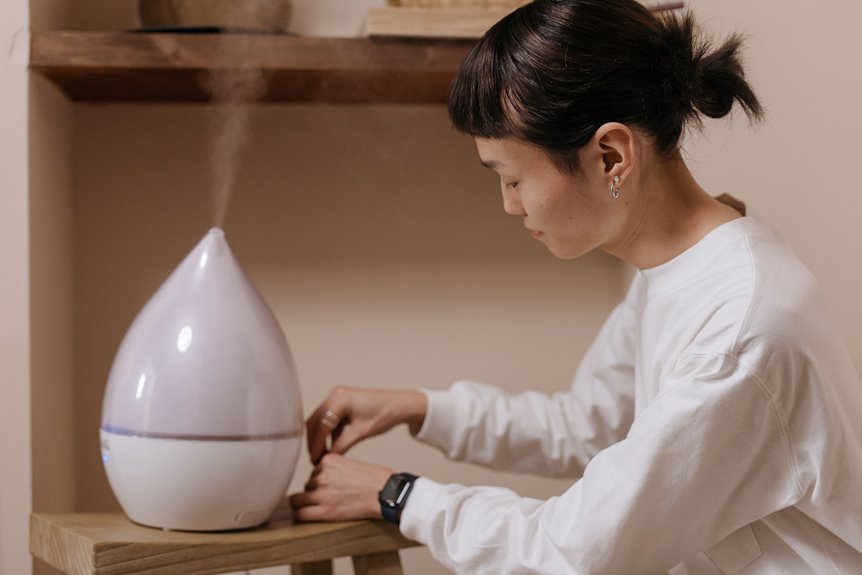
Humidifier Benefits for Babies
A cool-mist humidifier can help babies breathe easier, soothe dry nasal passages, protect delicate skin and chapped lips, and improve sleep comfort. Proper placement, target humidity (40–60%), and regular cleaning determine how well it works. Avoid over-humidifying to prevent mold and dust mite growth. Use distilled water and follow manufacturer cleaning instructions to keep microbes out of the mist. Watch for clearer breathing, softer skin, and fewer nighttime wakings as signs of benefit.
What a Humidifier Does for Babies
Whenever your baby sounds stuffy or uncomfortable, a humidifier adds gentle moisture to the air and can make breathing feel easier.
You create a softer room atmosphere that might ease dry noses, lips, and skin, especially whenever indoor air feels harsh.
That extra moisture can also fit nicely with your nursery aesthetics, since many cool-mist models look calm and simple beside the crib.
You’ll often notice that the room feels less scratchy and more restful, which can help everyone settle in with less fuss.
Because you run it for hours, energy consumption matters too, so choosing an efficient model could support comfort without wasting power.
With the right setup, you give your baby a cozier space that feels cared for and familiar.
How Humidifiers Help Babies Breathe and Sleep
Now that you know what a humidifier does, it helps to look at how that extra moisture can support your baby’s breathing and sleep.
If the air feels dry, your baby’s nose and throat can get irritated, and that can make breathing seem harder. Added moisture can thin mucus, so air moves more easily and your baby might settle faster. This comfort matters at night, whenever stuffiness often wakes little ones.
As you keep up bedtime routines, the gentler air can help your baby relax and stay asleep longer. Good air circulation also helps spread that moisture through the room, so the whole space feels calmer.
You’re not fixing every sniffle, but you’re creating a softer, easier place for your baby to rest.
Best Humidifier Type for a Nursery
Choosing the right humidifier for your nursery matters, because the wrong one can add stress instead of comfort. You want a cool-mist model, since it’s safer for babies and easier to trust through the night. Look for one with a low noise level, so your little one can rest without extra fuss.
- Pick a unit with simple controls.
- Check filter maintenance before you buy.
- Use a tank size that fits your routine.
When you choose well, you join many parents who want a calmer room and a smoother bedtime. A steady mist can make the nursery feel cozy, while you stay relaxed too. Compact designs also save space, which helps your room feel neat and cared for.
How Humidity Helps Dry Skin and Lips
Whenever you add the right amount of moisture to the air, you help your baby’s skin hold onto water instead of drying out so fast.
That can ease flaky patches and make those tiny lips feel less tight and sore.
With steadier humidity, you’re giving delicate skin a softer, more comfortable place to recover.
Skin Hydration Support
Dry air can leave your baby’s skin feeling tight, flaky, and uncomfortable, and it can make tiny lips look chapped fast.
Whenever you keep the room a little more moist, you help protect that soft skin every day.
You’re not doing anything fancy, just adding gentle support that feels familiar and calm.
- Humidity slows water loss from the skin.
- It can make hydration routines and topical moisturizers work better.
- It helps your baby stay more comfortable between diaper changes and baths.
Lip Moisture Relief
A little extra moisture can do more than calm flaky cheeks and soft skin. It can also help you protect your baby’s tender lips from drying out in warm, dry rooms.
Whenever the air holds more humidity, you might notice fewer chapped lips and less cracking after naps or bedtime. That gentle comfort matters whenever your baby is already fussy from dryness.
You can pair a cool-mist humidifier with a nighttime balm to keep the lips soft and shielded. Also, steady moisture could ease the sting that comes with rough air, so your little one can settle in with less rubbing and crying.
With the right room balance, you help your baby feel cared for, cozy, and right at home.
Why Moist Air Can Ease Baby Congestion
Moist air can help your baby’s swollen, dry airways feel less irritated, which often makes breathing seem easier.
It can also thin stubborn mucus so it moves more freely instead of staying thick and stuck.
Whenever your baby’s nose and chest feel less clogged, you might notice calmer breathing and a little more comfort.
Moist Air Soothes Airways
Whenever your baby’s nose feels stuffed up, even a little extra humidity can make a real difference. You’re not just adding damp air; you’re helping create airway comfort and mucosal protection, so those tender passages don’t feel as tight or scratchy.
That softer air can help your baby settle into breathing with less fuss, and it often makes the nursery feel kinder too.
- Moist air eases dryness in the nose and throat.
- It can make breathing feel less strained during stuffy nights.
- It helps your baby feel more at ease whenever the room feels harsh.
Whenever you keep the air comfortably humid, you’re giving your little one a cozier place to rest. And honestly, that extra comfort can feel like a small win for both of you.
Thins Stubborn Mucus
That gentle room comfort can also help with the thicker part of a baby’s cold, because humid air can loosen mucus that has turned sticky and hard to move.
Whenever you keep the nursery moist, you give your baby a softer path for airway clearance, and that can make those clogged moments feel less stubborn. You’re not forcing anything; you’re just making the mucus less clingy, so it can shift more easily.
This also matters whenever your little one needs nasal irrigation, since moisture can help keep the nose from drying out between care steps.
In that calm, cozy space, you support your baby without a big fuss. And for you, that can bring a little relief too, because you’re doing something gentle that feels familiar, caring, and close.
Supports Easier Breathing
Whenever your baby’s nose feels blocked, even a little extra moisture can make breathing seem less of a battle. You can place a cool-mist humidifier near the crib, but keep nursery placement safe and away from tiny hands. Moist air helps loosen thick mucus, so each breath can feel smoother and less effortful. It can also calm dry, irritated passages that make stuffiness seem worse.
- It adds gentle humidity to dry room air.
- It might ease coughs and chest congestion.
- It can help your baby rest more calmly.
Keep an eye on noise levels, since a quiet room often helps your little one relax. Whenever you use the right humidity, you’re not just easing congestion, you’re helping your baby feel more settled, and you’re joining other parents who want the same comfort for their child.
How to Use a Baby Humidifier Safely
To keep your baby comfortable, start placing a cool-mist humidifier on a flat, dry surface that your child can’t reach.
Pick room placement near the crib, but not beside it, so the mist spreads gently without soaking bedding. You should also watch noise levels, because a quiet model can help your baby rest while keeping the room calm for both of you.
Use distilled water whenever you can, fill the tank carefully, and keep the humidity in a safe range. Check the room often so it never feels damp or stuffy. Turn the unit off once the air already feels moist, and unplug it before you move it.
With these simple steps, you can create a cozy nursery that feels safe, calm, and easier to breathe in.
How to Clean a Humidifier Properly
You should start from emptying the humidifier and taking it apart so every part can be cleaned well.
Next, wash the tank and other pieces with vinegar to help remove buildup and keep germs from hiding in the corners.
After that, let everything dry fully before you put it back together, since a damp machine can invite more problems than it solves.
Empty And Disassemble
Start with a clean slate via unplugging the humidifier, pouring out any leftover water, and taking the unit apart with care. You’re making space for a fresher nursery, and that matters whenever your baby needs gentle, clean air. Keep each piece together so you don’t lose track during part storage, and note any filter replacement needs before you move on.
- Remove the tank, base, and cap.
- Set each part on a clean towel.
- Check for cracks, buildup, or worn seals.
Whenever you separate the pieces, you can clean them more evenly later. Should you stay organized now, the whole process feels easier, and you’ll join other parents who keep things simple and safe.
Wash With Vinegar
With the humidifier already empty and apart, you can now give each piece a good vinegar wash. Mix equal parts white vinegar and warm water, then let the tank, base, and small parts rest in a vinegar soak for 20 to 30 minutes.
This helps mineral removal, so you can loosen the white film that baby-safe mist can leave behind. After soaking, use a soft brush or cloth to wipe away residue from corners and seams. You’ll feel better realizing you’re keeping the nursery fresh for your little one.
Rinse every part well with clean water, since leftover vinegar can smell strong. Then check for any stuck spots and wipe them again. Taking this careful step supports a clean, cozy space where your baby can breathe more comfortably.
Dry Before Reassembling
Let the parts air-dry fully before you put the humidifier back together, because a little patience here pays off in a cleaner nursery. Whenever you rush, trapped moisture can invite mold, and that’s the last thing you want near your baby.
Use this simple routine:
- Lay each piece on a clean towel for air drying.
- Check every seal, cap, and tank during component inspection.
- Reassemble only once all surfaces feel dry to the touch.
You belong in a home that feels safe and calm, so take a minute to peek inside crevices too. Should you spot leftover drops, wipe them away and wait a bit longer. This small pause helps keep the mist fresh, the unit working well, and your baby’s space more comfortable.
When a Humidifier Helps Most
A humidifier helps most whenever your baby’s air feels too dry, and that dryness starts making small problems feel bigger.
You might notice the nursery feels tight, especially during winter, a cold, or a seasonal allergy flare. In those moments, a cool-mist humidifier can ease stuffy breathing, calm a dry cough, and help your baby rest with less fuss.
It also helps whenever room placement leaves the crib near heat vents or sunny windows, since that air dries out fast. For many families, this simple step makes bedtime feel gentler and the room feel more like home.
Keep the humidity comfortable, use clean water, and choose cool mist so you could support your baby with confidence.
Signs Your Baby Needs More Humidity
Dry air can show up in small but frustrating ways, and your baby often gives you the clues initially. You could notice a stuffy nose, more coughing at night, or dry, flaky skin that looks irritated. These little signs matter because your baby can’t tell you, so you watch the room and their mood.
- Cracked lips or a dry mouth after sleep
- Noisy breathing or congestion that won’t ease
- Restless naps and extra wakeups
When these signs keep showing up, check room temperature monitoring and ask whether the air feels too dry. Then look at humidifier placement, since putting it near the crib can help spread moisture well without blowing directly on your baby. A small change can make your nursery feel calmer, cozier, and more comforting for both of you.
Signs to Turn the Humidifier Down
Sometimes the humidifier helps too much, and that can make the nursery feel heavy or damp. Should you notice room condensation on windows, sticky sheets, or your baby’s hair feeling clammy, turn it down. You can also listen for appliance noise that seems louder because the room is too moist.
| Sign | What to do |
|---|---|
| Condensation | Lower the setting |
| Musty smell | Stop and dry the room |
| Damp bedding | Run it less often |
| Skin looks sweaty | Check humidity |
| Baby seems unsettled | Adjust for comfort |
You want a cozy space, not a swamp in tiny pajamas. Keep the room between 30% and 50% humidity, and use the humidifier only when the air feels dry. Should the nursery stay comfortable, your baby can rest easier, and you can breathe easier too.
Frequently Asked Questions
Can a Humidifier Help My Baby During Teething Discomfort?
Yes, a cool mist humidifier can help with teething relief by easing dry air irritation, so your baby might settle better. It will not soothe gums directly, but it can improve gum comfort and sleep.
Do Humidifiers Reduce Static Electricity in a Baby’s Nursery?
Yes, they often do, because added moisture lowers static buildup. You will notice fewer zaps on blankets and clothes as air ionization shifts and material conductivity rises, helping your nursery feel calmer, cozier, and more comfortable.
Can I Run a Humidifier All Night Every Night for My Baby?
Yes, you can run it all night provided you keep humidity between 30% and 50% , choose a cool mist model , watch noise levels , and clean it daily so your baby stays comfortable and safe.
Will a Humidifier Help My Baby With a Dry Cough?
Yes, a cool mist humidifier can help your baby’s dry cough by adding moisture, soothing irritated airways, and easing breathing. You’re giving gentle moisture therapy, not a cure, but it might bring comforting relief tonight.
Are Humidifiers Useful for Babies With Eczema Flare-Ups?
Yes, you can use one like a gentle rain cloud, helping your baby’s skin hydration and barrier repair. You will ease dryness, soothe irritation, and create a more comfortable nursery, though it will not replace eczema treatment.
