Book Appointment Now

What Humidity Level Is Too High Indoors?
Too much indoor humidity is generally anything over about 60% relative humidity. High humidity creates a breeding ground for mold, dust mites, and mildew that harm air quality and belongings. Excess moisture fogs windows, slows drying of laundry, and makes rooms feel muggy and uncomfortable. A simple hygrometer gives a reliable reading so action can be taken quickly. Dehumidifiers, improved ventilation, and fixing leaks are effective ways to lower indoor humidity.
What Humidity Level Is Too High Indoors?
When your indoor humidity climbs to 60% RH or higher, it’s usually too high and can start causing problems in your home. You might notice sticky air, foggy windows, or a musty smell that makes rooms feel less welcoming.
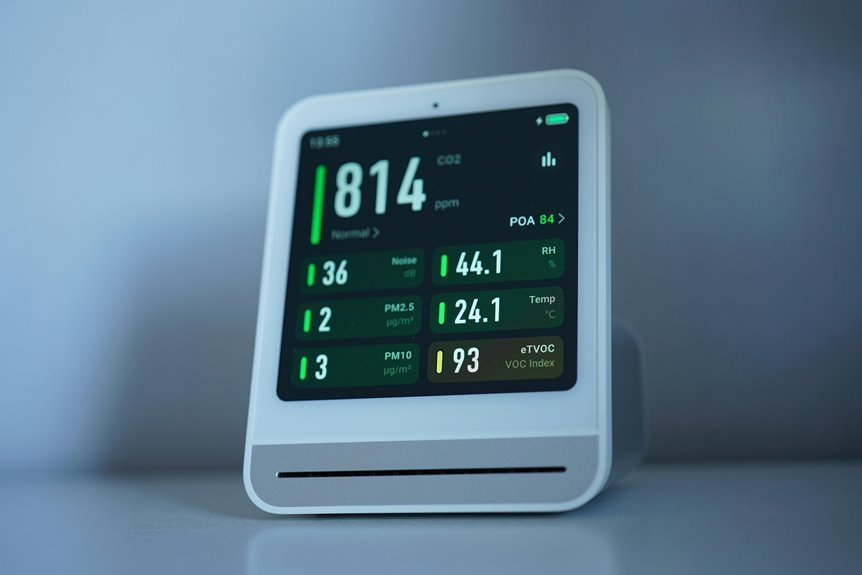
Because moisture moves around your house, check several spaces with a hygrometer, and trust measurement accuracy more than a single quick reading. Then you can see where damp air hides, like a bathroom or basement.
Seasonal adjustments matter too, since summer often brings more indoor moisture than cooler months. So, should the numbers stay high, you’re not overreacting. You’re protecting your space, your comfort, and the people who live there with you.
What Is the Ideal Indoor Humidity Range?
A healthy indoor humidity range usually sits between 30% and 50% RH, and that sweet spot helps your home feel comfortable without letting excess moisture take over.
You’ll usually feel best near the middle, but your seasonal preferences can shift a little. In winter, drier air often feels safer and steadier, while summer might call for slightly more moisture should your space stay cool.
This range also supports better breathing, softer skin, and calmer sleep, so you can relax in rooms that feel lived in, not stuffy. It can even help with plant effects, since many houseplants do well without soggy air around their leaves.
Whenever you stay in this zone, you help your home feel balanced, welcoming, and easy to share with everyone.
How to Measure Indoor Humidity Accurately
To measure indoor humidity accurately, start with a reliable hygrometer and place it where you actually live, not just in one secluded corner. Check the reading after the room settles, because quick changes can fool you. Use sensor calibration in case your device lets you, since even a good tool drifts over time.
Then follow a smart placement strategy: keep it away from vents, windows, kitchens, and bathrooms, and set it at about chest height. Next, compare readings in a few rooms so you can spot patterns, not guesses. Should one space stays higher, you’ll know where your home needs attention. Whenever you check often, you and your home team can stay comfortable together, without playing detective with damp air.
Signs Your Indoor Humidity Is Too High
Once you’ve checked your rooms, the next step is spotting the clues your home gives you, because high humidity usually shows itself before you ever feel sure about it.
Look at windows and mirrors for condensation patterns that keep returning, especially after cool nights.
Then notice walls, closets, or bathroom corners that feel damp or clammy, since moisture likes to hide there.
You might also catch indoor odors that seem musty, stale, or earthy, and that smell often lingers in closed spaces.
Next, watch for peeling paint, soft drywall, or tiny dark spots near vents and sinks.
Should your fabrics, bedding, or towels stay slow to dry, your rooms could be holding too much moisture.
These signs help you read your space with confidence and stay in step with a healthier home.
How High Humidity Affects Your Health
Provided indoor air remains too damp, your body can start to feel it in ways that are easy to miss initially.
You might notice stuffy breathing, heavier morning congestion, or skin that feels less settled.
Whenever humidity stays high, allergens stay active longer, and that can raise allergic inflammation in your nose and airways.
As a result, your respiratory comfort can drop, especially should you already deal with asthma or seasonal sensitivities.
You could sleep less deeply, wake up tired, or feel like the air never quite lets you relax.
Still, you’re not being picky. Your body simply prefers air that feels balanced, fresh, and easy to breathe.
Whenever moisture lingers indoors, your symptoms can build quietly, then make daily life feel less comfortable.
How Excess Moisture Can Damage Your Home
Whenever your home stays too damp, mold can start to grow in concealed spots like walls, ceilings, and closets.
You may not notice it right away, but that moisture can also weaken wood, peel paint, and damage drywall over time.
Should you catch it promptly, you can protect your home before small damp spots turn into bigger repairs.
Mold Growth Risks
Even a little extra indoor moisture can give mold the perfect place to start, and that can turn a small damp spot into a bigger home problem before you notice it.
You might initially see surface condensation on windows or walls, but mold often grows where you can’t easily spot it. That concealed mold can settle behind furniture, under sinks, or inside closets, where the air stays still and damp.
Whenever you let humidity stay high, mold spores can spread fast and make rooms feel stale and unwelcoming. So, check for musty smells, dark specks, and damp corners often.
Then use fans, open windows whenever weather allows, and keep your hygrometer near the safe range. You’ll protect your space and help everyone in it breathe easier.
Structural Material Damage
Excess moisture doesn’t stop at mold, and that’s where your home starts paying the price. Whenever humidity stays too high, your walls, floors, and framing soak up water little by little.
Over time, timber rot can weaken beams, trim, and subfloors, so rooms could feel less solid underfoot. You might also notice paint blistering on ceilings or window frames, which tells you moisture is trapped underneath.
Next, drywall can swell, metal parts can rust, and plaster might crack as materials expand and shrink. Because of that, small damp spots can turn into costly repairs fast.
Should you want your home to feel safe and cared for, watch for soft wood, peeling finishes, and warped surfaces. Your space deserves dry, steady air, and so do you.
What Causes Indoor Humidity to Rise?
Indoor humidity usually rises once moisture builds up faster than your home can remove it. You add moisture every day through human respiration, showers, cooking, and even indoor plants. A crowded house can feel especially damp because more people breathe out more water vapor. Poor ventilation also traps that moisture, so it lingers in rooms instead of drifting outside.
In warmer months, humid outdoor air can slip in through open doors, windows, or tiny gaps around your home. Leaks from roofs, pipes, basements, or crawl spaces can add even more dampness. After rain, wet clothes, rugs, or stored items can slowly release water too. Whenever these sources stack up, your space can start feeling sticky, stale, and a little too close for comfort.
Fast Ways to Lower Indoor Humidity
Whenever your home feels damp, you can lower humidity fast through turning on exhaust fans in the kitchen and bathroom to push moist air outside.
You can also run a dehumidifier in the dampest rooms, which helps pull extra water from the air without much effort on your part.
Afterwards keep air moving with fans or open interior doors, because better airflow helps the space dry out more evenly.
Use Exhaust Fans
Exhaust fans can lower humidity fast, and they often do the job before damp air has time to settle into your walls, mirrors, and fabrics. Whenever you use bathroom ventilation and kitchen fans right away, you help your home feel fresher and more comfortable.
- Turn the fan on prior to showers or cooking starts.
- Keep it running 15 to 20 minutes after moisture ends.
- Close the door so the fan can pull damp air out.
- Clean the vent cover so airflow stays strong.
If you live with others, this small habit helps everyone breathe easier and keeps the space from feeling sticky. You’re not just clearing steam. You’re protecting the rooms you share, and that can make your home feel more welcoming every day.
Run Dehumidifiers
Provided fans help clear the steam, a dehumidifier can handle the moisture that lingers after the air looks dry again. You can place a portable unit in your dampest room, then choose portable settings that fit the space and noise level.
Set it near 45% RH so you keep the air comfortable without inviting mold. Empty the tank often, or use a drain hose should your model allow it.
Clean the filter on a steady maintenance schedule so the machine keeps pulling water from the air well. In case you share the room with family, let everyone know whenever it’s running so the space feels cared for, not crowded.
With a little attention, you can reclaim that fresh, dry feeling faster.
Improve Airflow
Open a window, and you can start to move damp air out fast. You don’t need to fight sticky rooms alone; you can change the flow. Try these quick steps:
- Set up cross ventilation strategies by opening two windows on opposite sides.
- Place a box fan near one window to push moist air outside.
- Check ceiling fan placement so it spins air across the room, not just below you.
- Open interior doors to let drier air travel through the house.
When air moves well, your home feels lighter, and moisture doesn’t linger as long. You’ll notice less clammy air after showers, cooking, or rainy days. In case one room still feels damp, keep the path open there a little longer. Small changes like these can make you feel more comfortable together in the same space.
When to Use a Dehumidifier
A dehumidifier can really take the edge off whenever your home starts to feel sticky, musty, or just plain damp. Should your hygrometer keeps showing 60% RH or higher, it’s time to bring one in. You’ll also want it after long showers, rainy spells, or whenever basement walls feel clammy. Set it near the dampest room and aim for about 45% RH. That level helps you feel calmer in your space and can cut the chance of mold and dust mites.
For the best fit, look at room size, energy efficiency, and plant selection, since some plants prefer drier air than others. In case windows fog up often, or a musty smell hangs around, don’t wait. Run the unit until the air feels comfortable again.
Long-Term Ways to Control Indoor Humidity
Long-term humidity control starts with better ventilation, so you can move moist air out before it builds up in your home.
You can also use a whole-home dehumidifying system or a well-placed portable unit to keep damp rooms steady and comfortable.
Once you pair these fixes with good airflow, you’ll make it much easier to stay below the mold-friendly range without feeling like you’re fighting your house every day.
Improve Ventilation
Whenever you need to cut indoor humidity for the long haul, better ventilation can make a big difference. You don’t have to battle damp air alone, because fresh airflow helps your home feel lighter and friendlier.
- Use whole house ventilation to move moist air out and bring cleaner air in.
- Open windows whenever weather lets you, so steam from daily life doesn’t linger.
- Try passive stackfans in upstairs spaces, where warm, wet air likes to gather.
- Keep doors open between rooms, so air can travel instead of getting trapped.
Whenever you improve airflow, you help each room share the load. That means fewer stuffy corners, less window sweat, and a home that feels more comfortable for everyone residing there.
Use Dehumidifying Systems
Dehumidifiers can quietly do a lot of the heavy lifting whenever your home feels damp, sticky, or just hard to dry out.
You can pick a model that fits one room or a whole basement, and that helps you keep moisture in the 30% to 50% range without constant guessing.
Should you need flexibility, a portable desiccant unit works well in smaller spaces or cooler areas.
For easier day-to-day control, choose smart controls so you can track humidity, set targets, and let the unit adjust itself.
That means less worry, fewer musty smells, and a home that feels more comfortable for everyone.
Check the tank, clean the filter, and keep the unit running wherever dampness shows up most.
How to Keep Indoor Humidity in Range
To keep indoor humidity in range, start watching where moisture builds up in your home, because small damp spots can turn into bigger problems fast. You’re not alone in this. Use a hygrometer in key rooms, and aim for 30% to 50% RH, with 60% as the ceiling.
- Run exhaust fans during showers and cooking, then keep them on a few minutes more.
- Check seasonal maintenance, like gutters, seals, and vents, so damp air doesn’t sneak in.
- Use a dehumidifier in basements or bedrooms that feel sticky.
- Choose plant selection wisely, since too many thirsty plants can add extra moisture.
If windows fog up or walls smell musty, act promptly. Small fixes help you stay comfortable, healthy, and part of a drier, calmer home.
Frequently Asked Questions
Can Indoor Humidity Be Too Low in Winter?
Yes, absolutely; winter air can feel like a desert in your home. You’ll notice skin dryness and static electricity, while keeping humidity around 30% to 40% helps you stay comfortable and protected.
Does Humidity Affect Sleep Quality at Night?
Yes, humidity can affect your sleep quality at night. You’ll usually sleep best with good nighttime comfort and low mattress moisture, because air that’s too damp feels sticky, traps heat and can leave you restless.
Should Humidity Be Different in Basements and Bedrooms?
Yes. Set them differently. Keep basements drier because they trap moisture, while bedrooms can be a bit more humid for comfort. Improve basement ventilation and bedroom insulation to balance both spaces.
Can Houseplants Increase Indoor Humidity Significantly?
Usually you will not notice a huge rise; your plants add moisture through leaf transpiration and pot evaporation. In a crowded, poorly ventilated room, however, they can nudge humidity up and contribute to dampness.
How Often Should a Hygrometer Be Calibrated?
You should calibrate your hygrometer every 6 to 12 months, and sooner if you notice sensor drift. If you use it in a humid home, check it more often so you can be confident and included.
